
(Discover many other contents on: NOWO.ONE and NOWO Publishing)
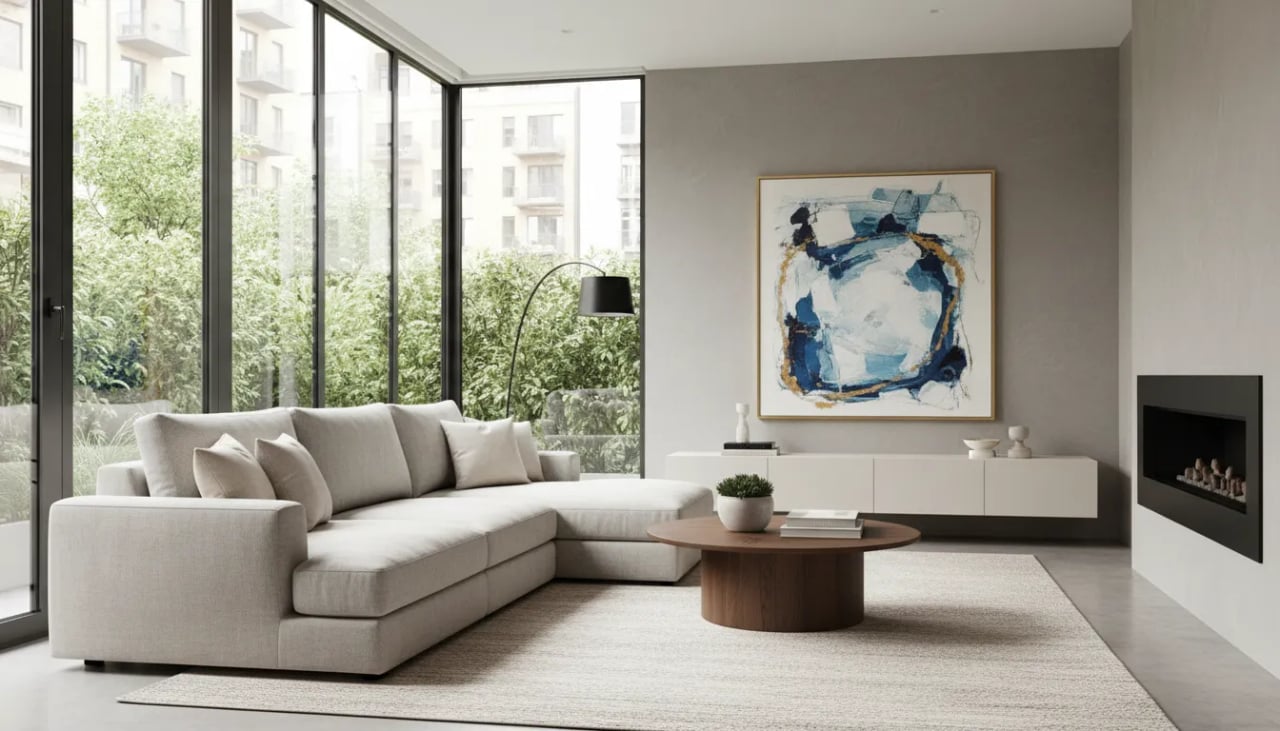
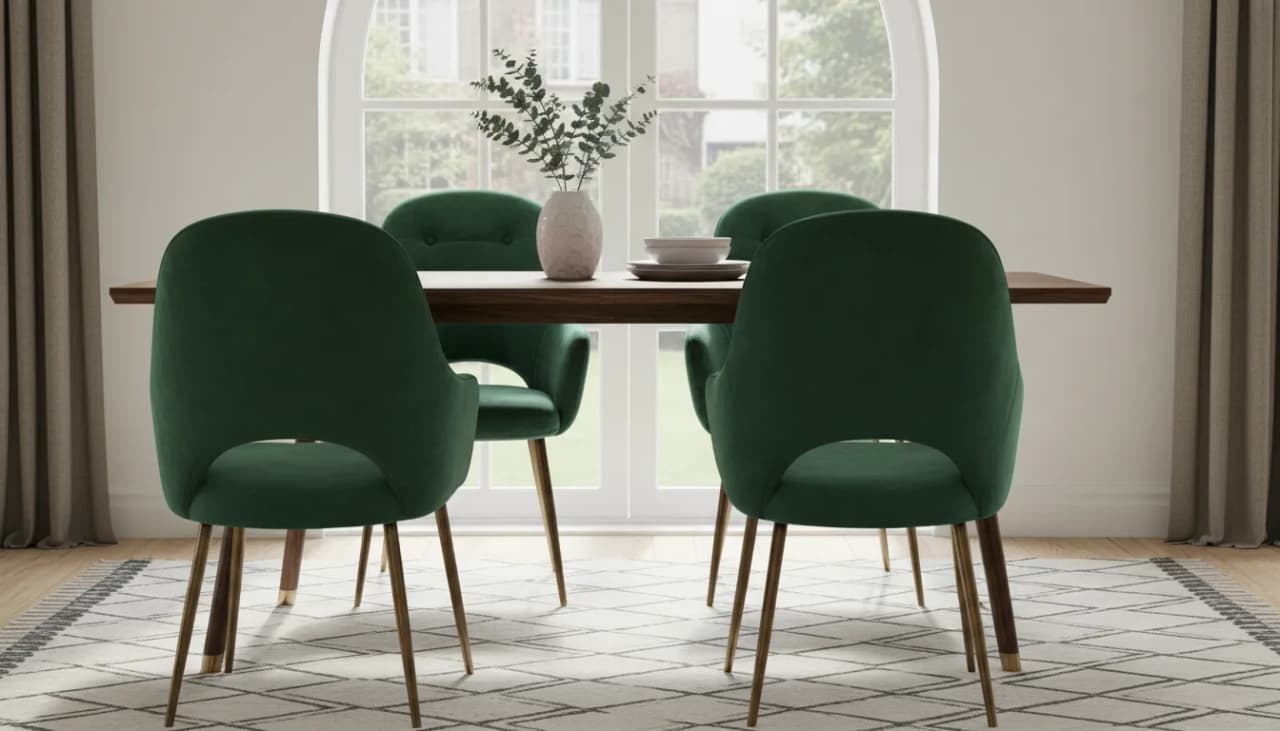
Furnishing a home isn’t about filling rooms—it’s about shaping how you feel every day when you walk in the door. Furnishing a home means creating a welcoming, functional space that reflects your personal style. It is important to start with color choices, as they influence the atmosphere of each room: light tones make spaces feel brighter and larger, while darker colors add elegance and character. Furniture should be selected according to the size of the rooms, avoiding overcrowding. Lighting plays a key role: a combination of natural and artificial light helps enhance every corner of the home. Finally, details such as rugs, paintings, plants, and decorative objects help make the space unique and personal.
Did You Know?
Warm neutrals like beige, greige, earthy terracotta, and olive tend to support emotional comfort and social ease in living spaces, while cool greys or stark whites can feel sterile when daylight is limited.
Source: RTE Brainstorm (Feb 24, 2026) and Warm Cazza Interior Color Psychology 2026
Along the way, you’ll see how paint picks like Benjamin Moore Revere Pewter or Behr Hidden Gem can set the tone, how to match sofa scale to room size, how to layer ambient/task/accent light (think Philips Hue), and how finishing touches—rugs, art, and greenery—pull everything together.
Start with Color: Psychology, Trends, and Palettes
Furnishing a home means creating a welcoming, functional space that reflects your personal style. It is important to start with color choices, as they influence the atmosphere of each room: light tones make spaces feel brighter and larger, while darker colors add elegance and character. Furniture should be selected according to the size of the rooms, avoiding overcrowding. Lighting plays a key role: a combination of natural and artificial light helps enhance every corner of the home. Finally, details such as rugs, paintings, plants, and decorative objects help make the space unique and personal.
Color is the fastest way to change how a room “behaves.” Light neutrals and tints bounce light around, smoothing shadows and making walls feel farther away—especially helpful in tight hallways, small living rooms, or north-facing spaces. Darker, low-value shades do the opposite: they visually bring surfaces forward, creating intimacy, drama, and a sense of architecture even in a basic box room.
How color shifts mood (and why neutrals aren’t boring)
For day-to-day comfort, low-to-mid saturation palettes tend to feel easiest on the nervous system. Warm neutrals—think beige, greige, earthy terracotta, and olive-leaning tones—read as emotionally “safe,” encouraging relaxation and social ease in living spaces. Cool greys and stark whites can look crisp online, but in dim light they often turn flat or sterile, which is why many designers now treat pure white as an accent rather than a default.
Earthy greens are having a moment because they bridge calm and character. A soft sage can feel restorative in bedrooms and still look tailored against wood tones, woven textures, and brass. Deep muted tones—inky blue-greens, teal-navies, and blue-violets—add depth and a wellness-lounge vibe when used strategically (a library wall, kitchen island, or powder room).
Start with the room’s job (focus, rest, socialize)
Match color temperature and saturation to behavior: calm low-saturation for bedrooms, warmer neutrals for living areas, cleaner tints for work zones.
Set a light-to-dark ratio
Use light walls/ceilings to expand small rooms; add depth with one deep, muted accent (or cabinetry) to anchor larger rooms without shrinking them.
Pick one “hero” paint, then build supporting tones
Choose a main shade like Revere Pewter, Svelte Sage, or Hidden Gem; pair with 1–2 quieter companions and a crisp trim white for structure.
Test in real light at three times of day
Sample swatches on multiple walls; check morning, afternoon, and evening bulbs—cool whites can feel sterile in low light, while warm greige stays inviting.
Connect rooms with a consistent undertone
Repeat a shared undertone (warm beige, olive, smoky blue-green) through textiles and art so transitions feel intentional, not choppy.
Use neutrals for resale, bolds for personality—strategically
Keep high-commitment surfaces (main walls, open-plan areas) neutral; express character through accents like Gentleman’s Gray, Encore, or Gypsy Pink.
2026-leaning picks you can actually request by name
If you want a modern neutral that still feels lived-in, Revere Pewter by Benjamin Moore remains a go-to warm gray-beige that plays nicely with oak, walnut, black metal, and creamy whites. For a moodier, nature-forward statement, Hidden Gem by Behr (a smoky jade blue-green) lands in that “dramatic yet soothing” sweet spot that works on built-ins, dining rooms, or a powder room vanity wall.
For greens that layer beautifully, try Svelte Sage by Sherwin-Williams for a misty green-grey base, Green Ground by Farrow & Ball for a warmer foggy green, or Anonymous SW 7046 by Sherwin-Williams when you want a brown-gray that nods to biophilic warmth without going obviously “green.” If you crave depth, Gentleman’s Gray by Benjamin Moore delivers a teal-navy shift that feels classic on a single focal wall, while Encore by Valspar pushes into atmospheric blue-violet for a more futuristic edge. For pure accent energy—think a front door, art niche, or the back of a bookshelf—Gypsy Pink by Benjamin Moore is unapologetically joyful.
Neutral for resale, bold for personality (a simple rule)
When broad appeal matters, keep open-plan walls and high-coverage areas in a flexible neutral (Revere Pewter is popular for a reason). Then put personality where it’s easy to change: a painted interior door, a kitchen island, removable wallpaper behind shelves, or a single “wow” wall in Gentleman’s Gray. This keeps the home cohesive for future buyers while still feeling like you.
Practical palette steps, room by room
Living room: Warm neutral main walls + sage textiles; add a deep muted tone on built-ins or the fireplace surround.
Bedroom: Low-saturation green-grey (Svelte Sage) with soft white trim; keep contrast gentle to support rest.
Kitchen: Neutral perimeter + Hidden Gem or Anonymous on the island/cabinetry for grounded character.
Office: Light tints for focus; reserve Encore-level drama for a backdrop wall if video calls are a factor.
Use tools like the Sherwin-Williams ColorSnap Visualizer or Benjamin Moore Color Portfolio app to mock up walls, but always confirm with physical samples. Paint is the one finish you see in every glance, so it deserves a little science, a little trend awareness, and a very real-life test.
Furniture Selection and Spatial Planning
A welcoming home starts with the invisible stuff: the space people move through. Before you fall for a sofa online, measure your room footprint (wall-to-wall) and mark every “hard stop” that steals usable inches—radiators, baseboard heaters, door swings, and that spot where the closet door needs to open fully. A simple tape measure and painter’s tape can save you the heartbreak of a return pickup.
Draw a quick plan in Room Planner (iOS/Android) or SketchUp Free, or go old-school with graph paper. Map your circulation paths first, then place furniture around them. If the layout makes you sidestep a coffee table or twist past a chair, the room won’t feel calm, no matter how beautiful the pieces are.
Spatial Planning Quick Rules (Measure Before You Buy)
Use these dimensions to keep rooms feeling welcoming, navigable, and proportionate—then confirm with a taped-off floor plan.
- ✓ Main walkways: 36 in (91 cm) clear; secondary paths: 24–30 in (61–76 cm)
- ✓ Coffee table spacing: 14–18 in (36–46 cm) from sofa; sofa depth often 35–40 in (89–102 cm)—check specs
- ✓ Rug anchoring: front legs of seating on rug; living room rugs commonly 8'×10' or 9'×12' depending on layout
Scale furniture to the room you actually have
Small rooms reward “leggy” pieces and fewer silhouettes. Choose a compact sofa with arms that don’t balloon outward, swap a chunky recliner for a slender IKEA POÄNG chair, and use nesting tables (West Elm Marcio Nesting Tables style) so surfaces appear only when needed. Wall-mount a media console (or use a narrow one like IKEA BESTÅ) to keep the floor line open.
Medium rooms can handle a full seating group, but the trick is balance. Pair a standard 84–96 inch sofa with two lighter chairs rather than a matching loveseat that duplicates bulk. Anchor the seating with a rug sized so the front legs land on it; undersized rugs make furniture look like it’s floating and shrink the room visually.
Large rooms need “zones,” not more furniture. Float the sofa away from the wall, define a conversation area with a 9'×12' rug, and create a second zone (reading chair + floor lamp + side table) instead of cramming in extra accent chairs. A big room feels welcoming when each zone has purpose and breathing room.
Avoid overcrowding with smart layouts and multipurpose pieces
Start by positioning the largest item (usually the sofa or bed) and then protect the pathways you mapped. If you’re constantly moving items to open a drawer or clear a door, the layout is fighting the architecture. Consider multipurpose pieces like an IKEA KALLAX used as a low room divider, an ottoman with storage (Target Threshold-style), or a drop-leaf dining table for tight eat-in kitchens.
Use fewer, larger pieces rather than many small ones to reduce visual noise.
Keep at least one “clear line” from entry to the main destination (sofa, kitchen, or bed).
Prioritize closed storage (IKEA PAX, BESTÅ) to prevent clutter from becoming part of the décor.
Shopping checklist: dimensions, proportion, longevity
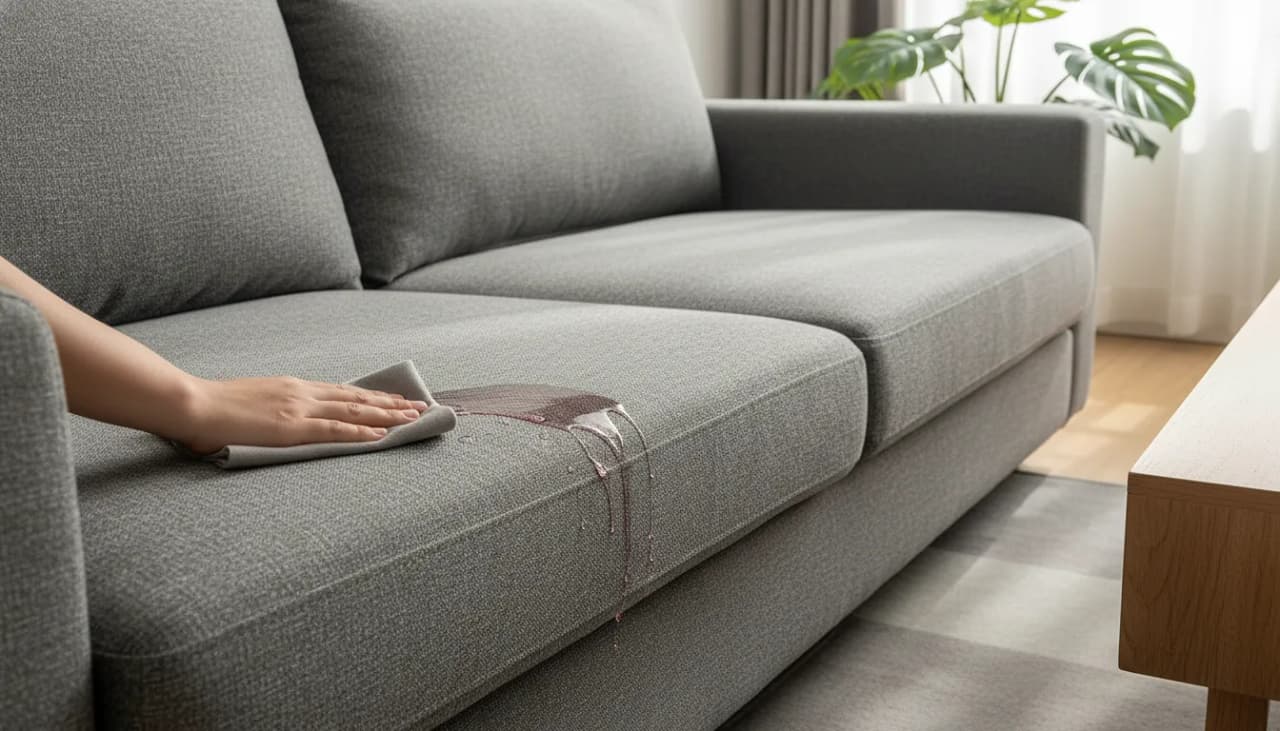
Before checkout, confirm the full dimensions (width, depth, height) and the “real” footprint with doors/drawers open. Check seat height and seat depth—deep sofas look inviting but can feel awkward for shorter legs. For longevity, look for kiln-dried hardwood frames, removable cushion covers, and performance fabrics like Crypton or Sunbrella when the room is high-traffic.
Finally, bring samples home: a swatch of upholstery, a rug corner, a wood finish chip. In a welcoming space, everything looks intentional because it fits—physically and visually—without forcing anyone to squeeze through.
Lighting: Layering Natural and Artificial Light
Lighting is the quiet workhorse of a welcoming home: it keeps everyday tasks comfortable, sets mood after sunset, and even changes how big a room feels. Bright, evenly spread light can make walls recede; harsh single-point light can shrink a space by throwing hard shadows. It also affects how finishes read—warm bulbs can make a greige like Benjamin Moore Revere Pewter feel cozy, while cool LEDs can turn it flat and sterile in low light.
Map the natural light
Check morning vs. evening light, glare spots, and dark corners; take 2 photos (day/night) to see where you need fixtures.
Set the ambient base
Choose one main source per room: flush-mount, semi-flush, chandelier, or a pair of floor lamps; aim for even bounce off ceilings/walls.
Add task light where hands work
Use dedicated lights at reading seats, desks, vanities, and counters—think Philips Hue Go on a shelf, IKEA RANARP task lamp, or under-cabinet LEDs.
Finish with accent + control
Highlight art and texture with picture lights or wall washers, then put layers on Lutron Caséta dimmers or Philips Hue scenes for instant mood shifts.
Layering 101: ambient, task, accent
Ambient lighting is your general “I can walk around safely” layer: a ceiling fixture, recessed cans, or a pair of uplighting floor lamps. Task lighting is targeted and brighter, like a GE Cync under-cabinet light bar in the kitchen or an IKEA RANARP lamp by a reading chair. Accent lighting adds depth—think a picture light over art, a wall sconce washing texture, or a Philips Hue Lightstrip tucked behind a media console.
Practical lux targets and fixture picks
As a rule of thumb, plan for about 100–200 lux in hallways, 150–300 lux in living rooms, 300–500 lux at desks and kitchen counters, and 500–700 lux at bathroom mirrors. Use a simple phone lux meter app to sanity-check after you install bulbs. For bathrooms, vertical sconces on either side of the mirror (or a wide bar like the Lithonia Lighting vanity series) reduces under-eye shadows compared with a single overhead light.
Maximize daylight (without glare)
Choose window treatments that preserve height and brightness: ceiling-mounted ripple-fold sheers, IKEA VIDGA tracks, or solar shades that cut glare while keeping views. Add bounce with large mirrors opposite windows, glossy ceramic tile in kitchens, and lighter rugs that reflect rather than absorb. If you love deeper paints like Benjamin Moore Gentleman’s Gray, compensate with stronger ambient lighting and more reflective surfaces so the room feels rich, not dim.
Controls: the fastest mood upgrade
Put every layer on control. Lutron Caséta dimmers make overhead lights flexible for dinner vs. cleaning, and Philips Hue scenes let you shift from energizing cool-white in the morning to warm 2700K at night. If you can’t rewire, use plug-in dimmers or smart plugs for floor lamps to create “one-tap” atmospheres.
Layering Details: Rugs, Art, Plants, and Decorative Objects
Details are what turn “furnished” into welcoming. Start with textiles: a rug acts like a visual foundation, pulling scattered furniture into one zone, and it’s the easiest way to unify a palette. If your walls are a warm neutral like Benjamin Moore Revere Pewter, a rug that mixes greige, olive, and inky blue can make the whole room feel intentional.
Anchor with a Rug
Choose a rug big enough that at least the front legs of your sofa and chairs sit on it; use it to lock in your palette (e.g., greige + olive + indigo).
Repeat Textiles
Echo 2–3 rug colors in throw pillows, a wool throw, or curtains so zones feel connected—think IKEA SANELA velvet cushions + a chunky knit throw.
Hang Art at the Right Height
Center artworks at ~57 in (145 cm) from the floor; for a sofa, keep the bottom edge 6–8 in above the back and aim for ~2/3 the sofa width.
Add Living Texture
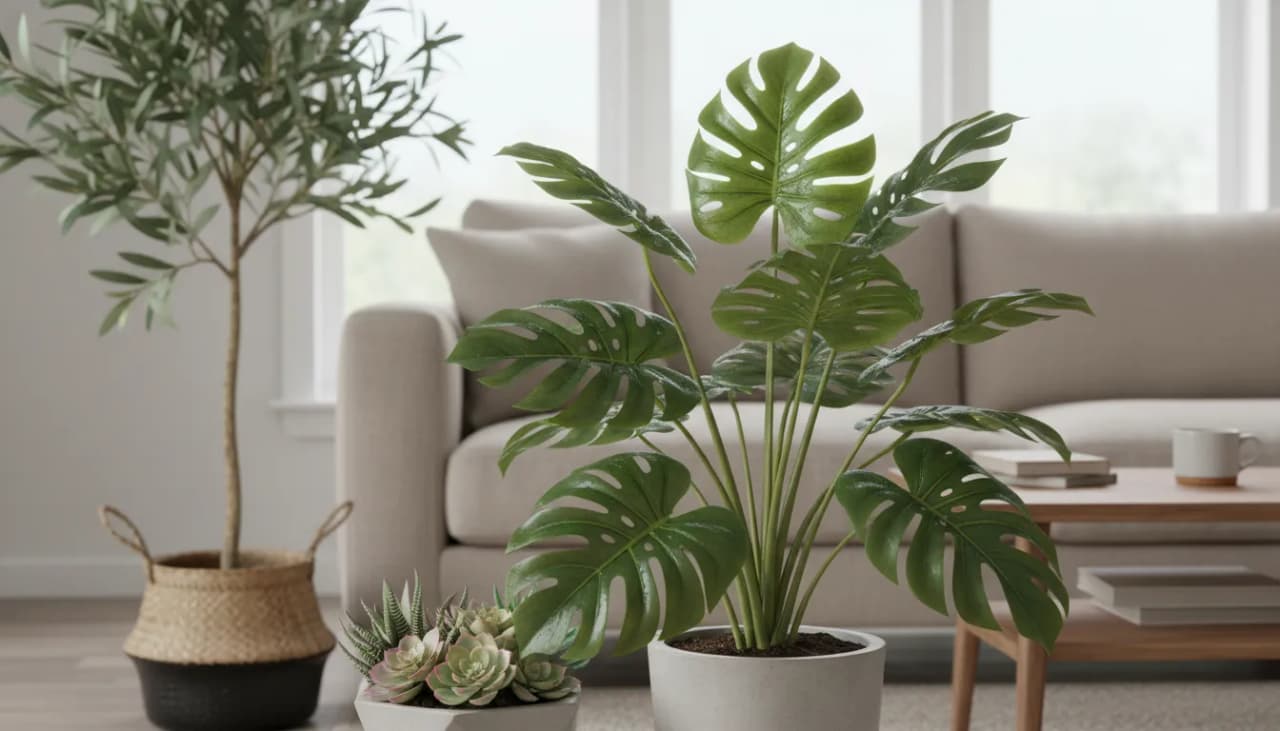
Place an easy-care plant where it’s seen daily: ZZ plant for low light, snake plant for corners, pothos for shelves, fiddle-leaf fig near a bright window.
Style Surfaces in Vignettes
Group 3–5 items by height: a tray (Yamazaki Home), a candle (Diptyque Baies), a stack of books, and one sculptural object; leave empty space to breathe.
For cohesion without clutter, repeat shapes and finishes, not just colors: a black metal frame on a gallery wall, a matte-black Picture Light, and one sculptural vase can read as a “set.” On shelves, use bookends (Umbra) and closed storage (The Container Store drop-front bins) to keep personality visible while the mess disappears.
Light vs Dark Palettes: Mood, Character, and Resale Considerations
Light palettes read bright and open, making rooms feel larger and calmer. Warm neutrals like Revere Pewter by Benjamin Moore create lived-in comfort, while stark white or cool grey can feel sterile in low light.
Light neutrals (Revere Pewter by Benjamin Moore)
Boosts brightness and perceived space—especially in lower light—while keeping the backdrop buyer-friendly.
- • Best for: small living rooms, hallways, north-facing spaces
- • Pair with: warm wood, linen, brushed brass to avoid a sterile look
- • Resale-safe base: easy to repaint or style with bold art and rugs
Deep muted tones (Gentleman’s Gray by Benjamin Moore)
Adds depth and drama; works best when balanced with contrast, sheen, and texture so it feels intentional, not heavy.
- • Use strategically: one accent wall, built-in cabinetry, or a powder room
- • Lift it: matte walls + lighter trim + mirrors to bounce light
- • Keep fresh: layer boucle, leather, and light oak for contrast
Go dark where you want character: try Hidden Gem by Behr on a dining-room accent wall, or Encore by Valspar on kitchen cabinetry with light counters. For resale, neutrals still broaden appeal—use deep color as a “moment,” then balance with crisp trim, mirrors, and tactile contrast (boucle throw, leather chair, jute rug). Room-by-room: keep bedrooms mid-tone and soothing (Svelte Sage by Sherwin-Williams), save bolder shades for powder rooms, offices, and built-ins.
Frequently Asked Questions
Furnishing a home means creating a welcoming space—and the most welcoming rooms usually get the fundamentals right: color, circulation, lighting, and a few high-impact finishing touches. Use these quick answers to avoid the most common “something feels off” problems.
How do I choose a paint color that works in low-light rooms? ▼
What are the minimum clearances I should leave around furniture? ▼
How do I layer lighting for both function and mood? ▼
Which accessories have the biggest impact on a small budget? ▼
Will bold colors hurt my home’s resale value? ▼
If one choice has the biggest “welcome home” payoff, it’s matching paint and bulbs: warm neutrals plus dimmable lighting can make even a low-light room feel calm, social, and lived-in.
Conclusion
Furnishing a home means creating a welcoming, functional space that reflects your personal style. It is important to start with color choices, as they influence the atmosphere of each room: light tones make spaces feel brighter and larger, while darker colors add elegance and character. Furniture should be selected according to the size of the rooms, avoiding overcrowding. Lighting plays a key role: a combination of natural and artificial light helps enhance every corner of the home. Finally, details such as rugs, paintings, plants, and decorative objects help make the space unique and personal.
🎯 Key takeaways
- → Start with color: choose a warm neutral base (e.g., Benjamin Moore Revere Pewter) or a moodier feature shade (e.g., Behr Hidden Gem) to set the room’s feel.
- → Scale furniture to the floor plan: measure first, avoid overcrowding, and keep clear walk paths for comfort and function.
- → Layer lighting, then style with intent: mix ambient/task/accent light and finish with rugs, art, plants, and objects that reinforce your palette.
Next steps: measure each room (and doorways), pick a tight palette (try Sherwin-Williams Svelte Sage or Farrow & Ball Green Ground for soft green calm), draft a lighting plan (ambient + task + accent), then style deliberately—one statement rug, a few framed pieces, and a real plant before adding extras.