



(Discover many other contents on: NOWO.ONE and NOWO Publishing)
I still remember lugging a monstrous rubber plant up three flights of stairs because the living room looked flat. That ridiculous hike taught me more about scale, patience, and the stubborn joy of greenery than any design course. In this post I’ll blend little confessions, quick science-backed facts and my own trial-and-error lessons to show how indoor plants and decorative greenery can change a room’s vibe, breathe life into modern interior design, and fit into even the busiest lives.
Why I’m Obsessed: The Case for Decorative Plants
I didn’t mean to become a “plant person.” It started when a friend dropped off a sad, half-brown fern and said, “If anyone can save it, you can.” I put it by a window, trimmed the crispy bits, and watered it like it was my new roommate. Two weeks later, tiny green curls appeared. That small rescue changed how I see interiors: a room isn’t finished until something living (or at least leafy) is in it.
What I Notice Immediately When I Add Indoor Plants
Decorative plants are natural design elements, and they make a space feel more welcoming, elegant, and harmonious. Because indoor plants come in so many shapes, sizes, and shades of green, they slide into almost any style—modern, minimal, boho, or classic—without trying too hard.
Improved mood: I feel calmer and more focused when I can see greenery.
Softer lines: Plants break up sharp corners and hard edges from furniture and walls.
Color + texture contrast: Leaves add depth where a room feels flat or “too beige.”
Lived-in elegance: Even a simple space looks cared for when there’s a healthy plant in it.
Air Quality and Mental Health: The Science-Backed Part
We spend over 85% of our time indoors, so bringing nature inside isn’t just a style choice—it’s a quality life choice. Research insights often point to how indoor plants can support air quality by helping purify indoor environments. I’m not saying one pothos replaces ventilation, but I do think plants make the air feel “fresher” in a lived-in way.
There’s also the comfort factor. Studies discussed in PMC sources connect plants with wellbeing, and I feel that personally when my home looks less sterile and more alive. That ties directly to mental health: less visual stress, more ease, and a gentle sense of restoration.
Dr. Susan Li, Environmental Psychologist: "Indoor plants create measurable psychological comfort and aid cognitive restoration."
Surprising Perks I Didn’t Expect
Beyond beauty, plants are practical. I use them like design tools:
Articulate awkward spaces: A tall plant can “anchor” an empty corner or narrow hallway.
Hide blemishes: A leafy pot can distract from scuffed baseboards or uneven wall texture.
Instant room statements: One oversized plant can do the job of multiple decor pieces.
And if you’re not into plant care, artificial options still deliver that warm, natural-world connection—minus the maintenance.
Mixing Styles: How Plants Fit Modern Interior and Beyond
When I’m working on interior design, I treat plants like flexible design pieces, not “extras.” Thanks to their shapes, sizes, and shades of green, they slide into many design styles—from a clean modern interior to boho, classic, minimal, and eclectic rooms. The trick is pairing the plant’s form with the furniture’s mood, so the space feels calm, welcoming, and put together.
How I Style Plants in a Modern Interior
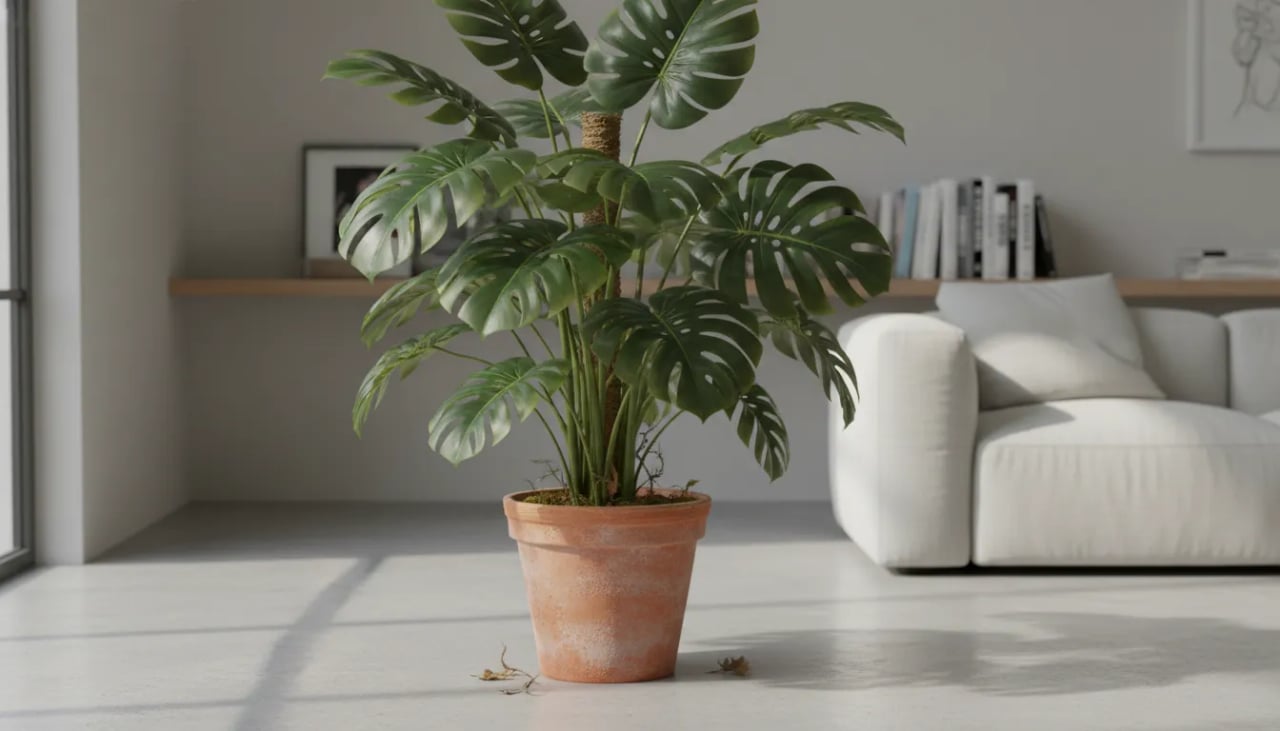
In a modern interior, I like one bold move: a tall, architectural plant placed near a minimal sofa or a simple media unit. Research-backed styling insight: large plants create strong visual statements in minimalistic modern interior designs. They fill “empty” corners without adding clutter, and they soften sharp lines with living texture.
Anna Williams, Interior Designer: "I use large plants as living sculptures in modern interiors; they anchor and animate empty corners."
Plant Pairings Across Design Styles
I keep my pairings simple and material-based—wood with soft blooms, concrete with strong leaves, rattan with trailing greens. Here are combinations I return to again and again:
Boho: rattan chair + trailing ivy (let it spill from a shelf or hanging pot)
Classic: warm wood furniture + an orchid (clean, elegant, and not too loud)
Minimal: concrete planter + a large rubber plant (big leaves, simple shape)
Eclectic: mixed vintage pieces + a mix of leaf shapes (snake plant + pothos works well)
A Small Experiment That Changed How I Decorate
One time I put a cactus on a marble plinth, and it somehow looked like art. That little moment taught me not to be too strict about rules. If a plant feels “wrong,” I change the container, raise it up, or move it next to a different texture. Experimenting is often the fastest way to find your style.
Use Plant Landscapes as Focal Points
Instead of scattering single pots around the room, I build plant landscapes—groupings that act like furniture. Indoor plant landscapes are increasingly popular across many interior design looks because they create one clear focal point and make the room feel intentional.
Plant size | Best use |
|---|---|
Large plants | Modern interior statements; anchor corners and open floor areas |
Small plants | Finishing touches for shelves, desks, and window sills |
Size & Placement: Large Plants vs Small Plants (My Rules)
When I’m choosing decorative plants for interior spaces, I start with a quick space analysis. Plants are natural design elements, and the right size can make a room feel more welcoming, elegant, and calm. The wrong size can feel messy or awkward—especially in living rooms, offices, or bedrooms where we want that relaxed, “easy to breathe” vibe.
Marco Rivera, Landscape Stylist: "Scale can make or break a plant choice—too small and it disappears, too big and it overwhelms."
My quick checklist before I pick a size
Light: Where is the best natural light, and how far does it reach?
Scale: Does the plant match the height and weight of nearby furniture?
Traffic: Will people brush past it, trip on it, or bump the pot?
Sightlines: What do you see first when you enter, sit, or walk through the room?
My biggest rule: I treat plants like furniture. I think about circulation, focal points, and space articulation—how the room is divided into zones without adding walls.
How I use large plants (room statement moves)
Large plants create strong visual statements, so I use them when a room needs structure. They soften hard architectural surfaces (blank corners, sharp window frames, tall walls) and instantly read as a room statement.
Anchor a sofa: One tall plant near the end of a couch makes the seating area feel “finished.”
Flank windows: A matching pair frames the light and adds balance.
Mark transitions: I place a large plant where the living area shifts into dining or office space.
In living rooms and offices, this anchoring trick is my go-to because it adds presence without needing extra decor.
How I use small plants (flexible, low-maintenance layers)
Small plants are my everyday styling tool. They’re versatile, easy to move, and often low-maintenance—perfect for busy households or anyone who wants greenery with minimal effort.
Nooks: I tuck them into corners of countertops, nightstands, and window ledges.
Shelves: I layer heights by mixing a trailing plant with a compact one.
Desktops: A small plant adds life without taking over the workspace.
Low-maintenance small plants | Where I like them |
|---|---|
Cactus | Sunny shelves, desks |
Kitchen windows, bedside tables | |
Ivy | High shelves, bookcases (for trailing) |
Real vs Artificial: Choosing Based on Life and Time
I confess I keep both: real plants for my living room, and a lifelike fern in the bathroom where humidity and light are inconsistent. For me, indoor greenery is about creating a welcoming, elegant, and harmonious space—whether I’m styling modern, minimal corners or a more boho shelf. The real question is how much life I want in the room, and how much time I can give.
Real ornamental plants: air purification + a living feel
Real ornamental plants bring a texture you can’t fake. Leaves shift toward the light, new growth appears, and the room feels more alive. Research also links indoor plants with better restoration, health, and even performance—especially in work-from-home spaces where I need calm focus.
Another reason I choose real plants is air purification. It’s not magic, but it’s a real benefit, along with the simple mood lift of caring for something living.
Plant care trade-offs (the honest part)
Real plants ask for plant care and consistent plant maintenance. When I’m busy, that’s where things can go wrong.
Watering mishaps (too much is my most common mistake)
Pests and fungus gnats
Pruning, fertilizing, and basic pest checks
When I want durable color without constant fuss, I lean on orchids and colorful bracts (like bromeliads). They add intrigue and tend to hold their look longer than many flowering options.
Artificial plants: low maintenance styling that stays perfect
Artificial plants are my go-to for “problem zones”: low light, awkward shelves, or rooms I don’t want to monitor. They keep a consistent look, never drop leaves, and are truly low maintenance—ideal if you travel, work long hours, or just don’t enjoy plant care.
The downside is simple: no air purification, no natural scent, and no living ecosystem.
Dr. Maya Thompson, Horticulturist: "Real plants support air purification and a living ecosystem indoors; artificials solve a styling problem elegantly."
The decision tree I actually use
Light: bright window, medium light, or low light?
Time: can I handle weekly plant maintenance?
Goal: better air quality and well-being, or purely visual green?
If I want health benefits and a living vibe, I choose real. If I want reliable style with zero effort, I choose artificial—and I don’t feel guilty mixing both.
Care Shortcuts: Low-Maintenance Picks and My Quick Routines
I love how indoor decorative plants act like natural design elements: they soften hard lines, add calm green shades, and make a room feel more welcoming and balanced. But I’m also busy, so I keep my plant maintenance simple. The good news is that even small plants with low maintenance needs can still boost quality of life through visual comfort and that “natural harmony” feeling.
Lena Hart, Urban Gardener: "A tiny routine goes a long way—most people overthink care when plants mostly need basic consistency."
My 3-step weekly plant care check (takes 3 minutes)
Glance: I scan leaf color and shape. I’m looking for dullness, spots, or drooping.
Touch: I press a finger into the soil. If the top inch feels dry, I water; if it’s damp, I wait.
Rotate: I turn the pot a quarter turn so the plant grows evenly toward the light.
This tiny rhythm keeps my plant care consistent without turning it into a hobby I can’t maintain. I also do a quick light check: bright indirect light for most, and a sunnier window for cacti and many succulents.
My favorite low maintenance picks (easy, stylish, forgiving)
Snake plant: tough, upright, great for modern or classic rooms; handles low light well.
Pothos: fast-growing vines for shelves; happy in many spots and easy to trim.
Spider plant: perfect for hanging baskets; great for beginners.
Aloe: a small, sculptural plant that loves bright light and infrequent watering.
Selected succulents: compact “living decor” for desks and side tables.
For busy homes, I also like cactus and ivy. These small plants fit almost anywhere—living rooms, offices, even bedrooms—without demanding constant attention.
Quick troubleshooting for common plant maintenance issues
Brown tips: usually low humidity or sunburn. I move it back from harsh sun and mist lightly (or use a pebble tray).
Yellowing leaves: often overwatering. I pause watering and check drainage.
My tiny “lifesaving kit” for plant care
Moisture meter (for when I’m unsure)
Small pruners
General-purpose fertilizer
Good potting mix
And if you truly want greenery with no upkeep, artificial plants can still deliver that same design lift—just without the watering schedule.
Wild Card: Feng Shui, Hypotheticals, and Playful Styling
What if my plants were roommates?
Sometimes I stop thinking of indoor decorative plants as “stuff” and start treating them like roommates. Who gets the sunny window seat? Who’s fine in the shady corner without complaining? That little thought experiment changes everything about placement. Instead of forcing a plant to match my furniture, I let its needs guide the layout, and the room ends up feeling more natural. It also helps me build small plant landscapes that look intentional, not random—like I planned the scene instead of just filling empty spots.
A simple feng shui move that made my entryway feel kinder
I’m not strict about feng shui, but I do like the idea that plants support vitality, energy, and harmonious spaces. One easy change I tried: I placed a healthy, upright plant near my entryway, slightly to the side of the door so it didn’t block movement. The effect surprised me. The space felt friendlier, like it was greeting me. It also improved circulation in a design sense—my eye had a soft landing point, and my body naturally moved around it. That’s the quiet power of plants as design elements: they can guide focus without shouting.
“Plants are cultural signifiers as much as botanical ones—how we place them says something about who we are.”
—Evelyn Park, Design Anthropologist
Plants as punctuation: commas and exclamation marks
When I’m styling, I think of plants as punctuation. A small pothos on a shelf is a comma—gentle, steady, a pause. A tall palm is an exclamation mark—bold, vertical, and impossible to ignore. This mindset helps me balance visual stimulus. If a room already has loud art or patterned rugs, I use “commas.” If the space feels flat, I add one “exclamation” plant to wake it up.
My quick experiments (and my favorite rule of three)
If you want fast results, try grouping three plants at different heights; in my experience, it reads as one cohesive scene, and research-backed styling wisdom agrees that trios often look like complete plant landscapes. Then mix textures—glossy leaves with feathery fronds—and don’t be afraid of unexpected containers. I’ve used bric-a-brac pots, mismatched planters, and even repurposed bowls (with a liner) to add personality. Whether your greenery is real or artificial, these playful moves can boost restoration, comfort, and even performance at home—because a room that feels alive is easier to live in.