


(Discover many other contents on: NOWO.ONE)
I didn’t plan a dramatic life change—I packed a small bag, closed the apartment door, and started walking. What began as a break from email became a six-week experiment in simplicity, camaraderie, and surprising clarity. This post traces how the Camino de Santiago pulled me along: the practical choices, the routes I considered, and the inward shifts that happened between villages.
Brainstorm: 4 Big Reasons I Felt Pulled to the Camino
1) Simplicity & Mindfulness: eat, sleep, walk
I felt drawn to the Camino de Santiago because it promised a life stripped down to the basics. On a Walking Tour, you carry only what you can hold on your back, and that changes everything. The days become simple: eat, sleep, walk. No endless choices, no packed calendar—just the next village, the next meal, the next step. That kind of routine felt like a quiet detox from daily noise, and I wanted to see what my mind would do when it finally had space.
2) Personal Transformation: space for grief and big questions
Part of my “why” was personal. I needed time to grieve, to sit with a life transition, and to rethink what I was building—career, relationships, purpose. Walking hour after hour has a way of loosening tight thoughts. I kept thinking of what a local guide, Maria Suarez, said:
“The Camino gives what you bring to it—pain, questions, laughter—and returns them shaped.”
I didn’t expect instant answers. I wanted a path that could hold my questions without rushing me.
3) Adventure + History: following the Camino Frances footsteps
I also craved an epic, real-world adventure—one with history under my boots. The Camino de Santiago spans 800+ km across Spain, and routes like the Camino Frances and Camino Primitivo have carried pilgrims for centuries. Even if many first-timers choose the final 100 km from Sarria to Santiago (often as an 8-day Walking Tour), it still feels huge: changing landscapes, old stone towns, and the sense that you’re walking inside a living story.
Books and films helped spark it too—Paulo Coelho’s line stayed with me:
“When you want something, all the universe conspires in helping you to achieve it.”
4) Camaraderie: strangers who don’t stay strangers
Finally, I was pulled by the people. I’d heard that on the Camino Frances (and also the Camino Portuguese), community forms fast. You share tables, blisters, and small wins. You trade stories in simple English, broken Spanish, or hand gestures—and somehow it works. I wanted that rare feeling of we’re in this together, one step at a time.
Choosing a Route: French Way, Primitivo, Portuguese & More
Before I booked anything, I had to choose my line on the map. The Camino de Santiago is over 800 km in total, so “just walking to Santiago” wasn’t a plan—it was a dream that needed a route. I narrowed my options by four simple questions: What scenery do I want? How hard can I go? How much history do I want to touch? and how many days do I actually have?
Camino Frances (French Way): the classic backbone
The Camino Frances is the route most people picture when they imagine the Camino. It’s the most popular and well-marked, with a strong network of cafés, albergues, and little towns that seem built around pilgrims. If you love stories, old churches, and the feeling of walking a shared path, this one makes it easy to settle into the simple rhythm: eat, sleep, walk.
Camino Primitivo: older, quieter, and tougher
The Camino Primitivo called to the part of me that wanted space to think. It’s one of the oldest routes, and it asks more of your legs with hills and rugged days. But that effort felt honest—like I was earning every view.
I chose the Primitivo because I wanted fewer people and more silence—it felt like a conversation with the land.
Camino Portuguese: coastal light and a gentler pace
The Camino Portuguese (especially coastal options) offers sea air, pretty towns, and often shorter daily distances. When I imagined a softer reset—more time for coffee stops, journaling, and watching the horizon—this route made sense.
Saint Francis Way and coastal detours: variety for repeat pilgrims
If you’ve walked before, or you simply want something different, niche choices like the Saint Francis Way or coastal detours can add fresh texture—new landscapes, new conversations, new reasons to keep going.
Sarria to Santiago: the practical “first Camino”
For many walkers, Sarria to Santiago is the sweet spot. It covers the final 100 km—often the minimum needed for Pilgrim Passport certificate eligibility—and it fits real life. It’s also a common focus for tours, including 8-day trips, making it perfect for first-timers who want the Camino feeling without needing a month off work.
The 'Why' Deep Dive: Mindfulness, Loss, and Rebuilding
Daily Walking as a Mental Reset
When I commit to Daily Walking—usually 20–25 km—I can’t carry the same mental clutter. The trail makes my thoughts simpler: step, breathe, notice, repeat. Somewhere between the first café stop and the next village, worries lose their sharp edges. I stop rehearsing old conversations and start listening to what’s right in front of me: wind in the trees, boots on gravel, my own steady breath.
Elena Rodriguez, Therapist & Camino Alum: "The rhythm of the trail is a therapeutic metronome—step, breathe, remember."
Loss, Transitions, and the Courage to Begin
I’ve met people walking for many reasons—retirees closing one chapter, recent graduates unsure of the next, and pilgrims quietly carrying grief. The Camino holds all of it without asking for a perfect explanation. Some days, walking is celebration. Other days, it’s survival. And both can be true on the same afternoon.
Pilgrim Passport Rituals (and Why They Matter)
My Pilgrim Passport becomes a small, steady anchor. Each stamp is proof I showed up. It’s also practical: you need it for the Compostela certificate, and in the Final 100km the office typically expects at least two stamps per day (rules can vary). But emotionally, it’s a tangible diary—ink marks that say, “I kept going.”
Morning: simple breakfast, pack only essentials
Midday: stamp the Pilgrim Passport, refill water, keep moving
Evening: shower, meal, a few lines of reflection
Less Stuff, Richer Inner Life
The paradox hits fast: the less I carry, the more I notice. Minimal gear, basic meals, one clear job—walk. Even on guided tours, where local guides add cultural context and safety, and luggage transfers or a support van can help different fitness levels, the inner work still happens. In fact, support often makes it easier to focus on healing instead of logistics.
Resilience Built One Stage at a Time
I’ve watched people start uncertain—blisters, doubts, heavy hearts—and change through repetition and camaraderie. Small groups (often up to 12) become a quiet team. When someone dips low, another person shares a snack, a story, a laugh. Back home, that same simple routine—eat, sleep, walk—turns into clearer decisions: what matters, what doesn’t, and what I’m ready to rebuild.
Guided vs Self-Guided: Logistics, Comfort, and Connection
Guided Tours: when I want the road to feel simple
Some days, my “why” is to strip life down to eat, sleep, walk. That’s where Guided Tours shine. A local, often bilingual guide handles the moving parts—check-ins, stage timing, and the little cultural notes I’d miss on my own. For first-timers and non-Spanish speakers, that safety net matters. I can stay present with the landscape, the history, and whatever I’m carrying inside.
Pedro Martinez, Tour Operator: "Our job is to clear logistics so pilgrims can focus on the walk itself."
Self-guided: freedom, quiet, and the thrill of figuring it out
When I crave autonomy, I go self-guided. I like choosing my start time, stopping for a second coffee, and following map apps like a modern pilgrim compass. But it asks more of me: booking beds, watching distances, and making decisions when I’m tired. That effort can be part of the transformation—proof that I can navigate a new life chapter one step at a time.
Support Van & Luggage Transfers: comfort without losing the Camino
A Support Van and Luggage Transfers change the feel of the day, not the meaning of it. Walking with a light pack lets my shoulders relax and my mind open. If someone in the group is sore or slower, the van can shuttle them ahead—no shame, just options. I still earn every kilometer I walk; I just don’t have to suffer to prove it.
Luggage Transfers: carry less, arrive with energy to explore villages.
Support Van: flexibility for different fitness levels and rough weather.
Group size & dynamics: instant community (without the crowd)
Most guided groups cap around 12 people, and that small number creates fast connection. We share blisters, stories, and silence. The Camino’s camaraderie becomes real: we’re in this together, even if our reasons are different.
Private tours & customization: my Camino, my pace
Private options sit between guided and self-guided. I can keep flexibility while adding comfort—gourmet picnics, wine with dinner, or stays in restored rural hotels in Galicia. Whether I walk an 8-day segment or chase the full 800+ km dream, the best format is the one that protects my “why.”
Practical Prep: Training, Gear, and Mindset
Training for Daily Walking and real Physical Challenges
I learned fast that the Camino rewards steady prep, not heroic bursts. Most days on trail are 15–25 km, and the terrain changes all the time—pavement, gravel, mud, and long climbs. The Pyrenees and other hilly stages can slow your pace and test your lungs.
I built up gradually with practice walks of 10–20 km, wearing the shoes I planned to use and carrying my pack.
I practiced weekend marches with a 6 kg pack—those Sundays saved my feet on the third week.
Start with 2–3 walks a week, then add one longer walk on weekends.
Train on hills or stairs if you can; it makes mountain days less scary.
If you’re worried about distance, choose shorter stages or use support vans.
Gear minimalism: carry less, feel more
The Camino taught me that simplicity is a kind of freedom. I packed essentials only, because every extra item becomes a weight in your mind and on your shoulders. Your back will thank you.
Comfortable broken-in shoes, light layers, rain protection
Refillable water bottle, small first-aid kit, headlamp
Offline maps on your phone:
download route + towns before you fly
Foot care is non-negotiable
Blisters don’t care about your “why.” I treated foot care like a daily ritual: clean socks, dry feet, and quick action at the first hot spot.
Good socks (often wool blend), blister plasters, tape, small antiseptic
Air out feet at breaks; change socks if they’re damp
Booking help: Luggage Transfers and smart logistics
On days I wanted more space in my head, Luggage Transfers made a huge difference. Carrying less can turn a hard stage into a steady one. In summer, beds can fill up, so I booked key nights early, especially on popular routes.
Consider local guides, meal inclusions, or even gourmet picnic options
Self-guided walkers: save emergency numbers and town contacts offline
Documents and mindset
I kept my Pilgrim Passport close (often provided by tour operators), plus travel insurance and local emergency contacts. Mentally, I practiced being alone and being open—because some days you crave silence, and other days you need people. I expected highs and lows, and I kept walking anyway.
The Final Stage: Sarria to Santiago — Why It Matters
The Final 100 km feels like the Camino in a nutshell
The Final Stage is where everything I came for gets louder and simpler at the same time. The last 100 km from Sarria to Santiago is famous for a reason: it’s the stretch many people choose when they want the heart of the Camino without months of planning. For me, those days turned into a clean routine—eat, sleep, walk—and that simplicity made space for real thoughts, real grief, and real gratitude.
Why Sarria is the most practical starting line
I understand why Sarria to Santiago is a common focal point for walking tours. If you’re short on time, an 8-day itinerary is realistic, and you still get the feeling of moving through Galicia step by step. It’s accessible without feeling “easy,” because the work is still yours—your feet, your breath, your mind.
Logistics that support the journey (without stealing it)
This route has an easy rhythm: frequent towns, clear waymarks, and a strong accommodation network. Many guided and self-guided tours also help with the practical pieces, like luggage transfers, local support, and a Pilgrim Passport (credencial). I liked knowing I could focus on walking, then find a stamping point in a café, church, or albergue and keep moving.
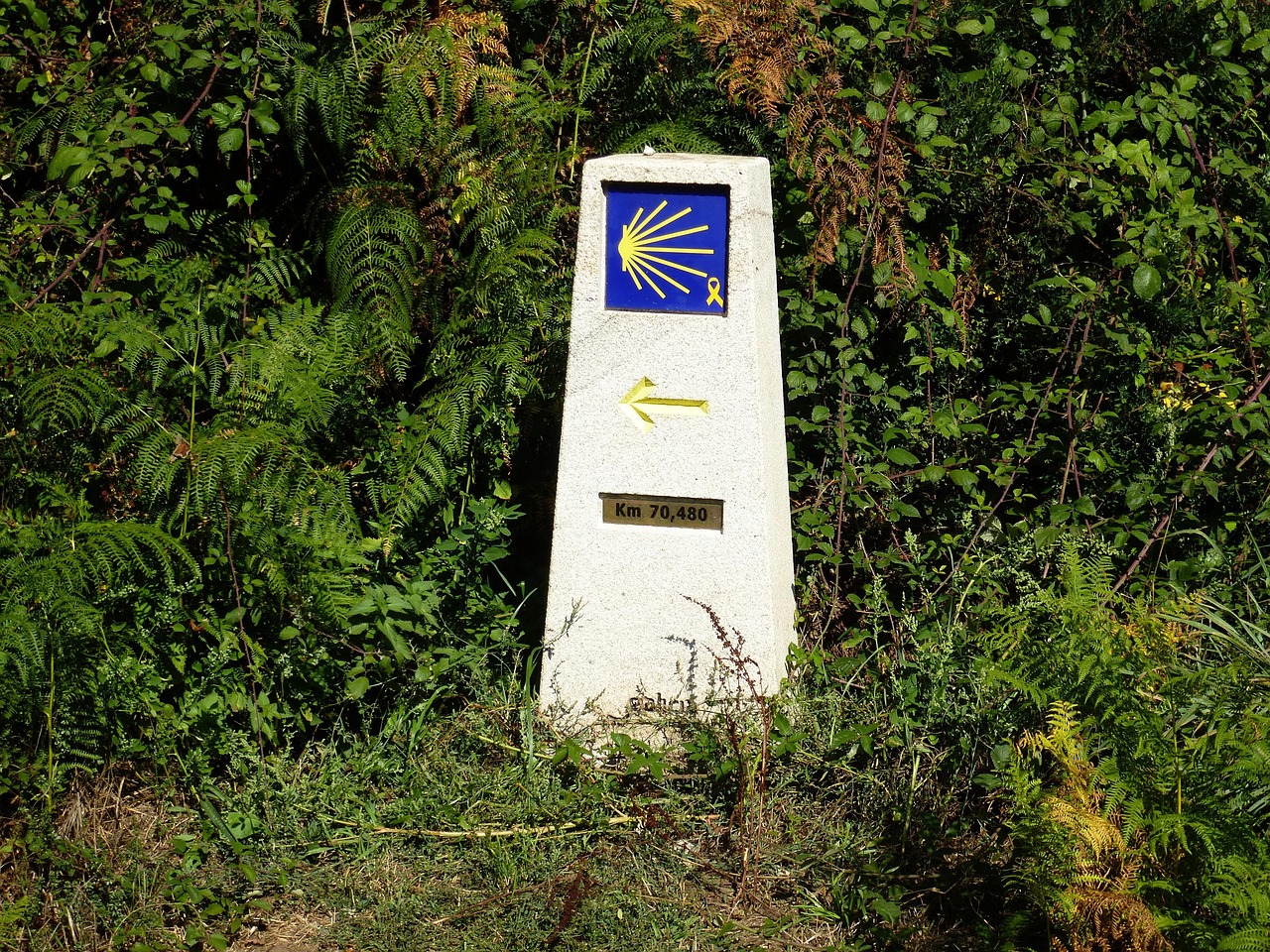
Pilgrim Passport stamps are required for the Compostela credential
Many tours run with groups of up to 12 people, which keeps it social but not crowded
Stages that build momentum
The days have a natural story arc, often broken into familiar stops like:
Sarria
Portomarín
Palas de Rei
Arzúa
Arriving at Santiago Cathedral: the moment becomes real
Many of us walk this final stretch because it meets the minimum distance often required for the certificate—and because we want to stand at Santiago Cathedral and feel the ending in our bones. The last days are also when camaraderie peaks. You recognize faces, share snacks, trade blister tips, and quietly carry each other forward.
I wept when I entered the Praza do Obradoiro; it was smaller and louder than I expected—but it felt earned.

History, Culture & Small Moments: Why the Landscape Speaks
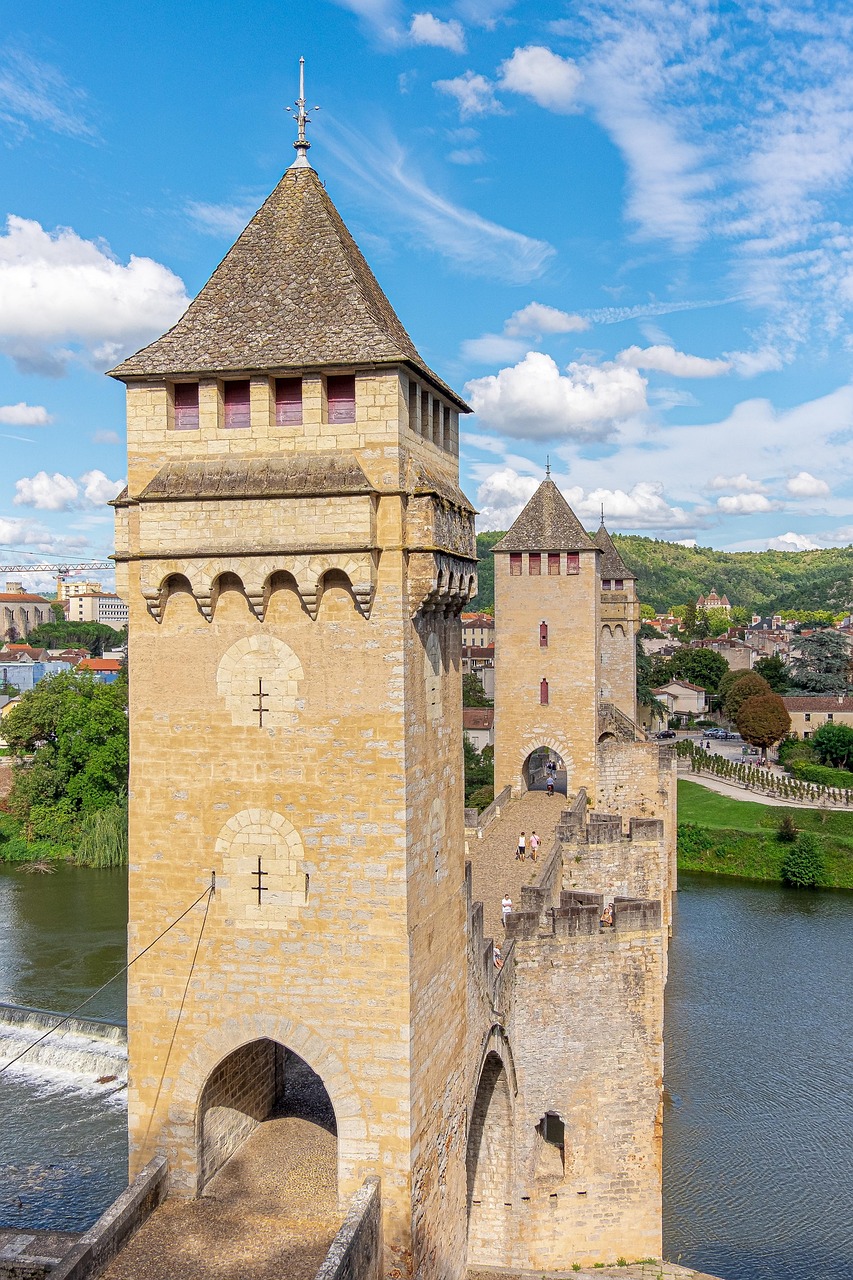
On the Camino, I didn’t feel like I was “touring” Spain. I felt like I was being carried through it—step by step—by Historical Landmarks, old stones, and the quiet habits of people who have welcomed pilgrims for centuries.
Medieval Villages as Living Museums on the Camino Routes
Some days began in a medieval village where the streets were still narrow, the doors still heavy, and the morning sounded like church bells and boots on cobbles. These places made the Camino Routes feel like a moving museum—no glass cases, no ropes, just real life happening inside history. I’d pass a worn archway and think: someone else walked under this, carrying their own “why,” long before mine.
Food, Wine, and the Ritual of Simple Joy
My best meals weren’t fancy. They were small rituals that kept me steady: a slice of local cheese, a piece of bread, a tiny glass of wine at a bar where my Spanish was clumsy but welcome. And when I finally tried tarta de Santiago, it felt like a reward that belonged to the road itself—sweet, simple, and earned.
Churches, Saints, and Waymarkers That Kept Me Moving
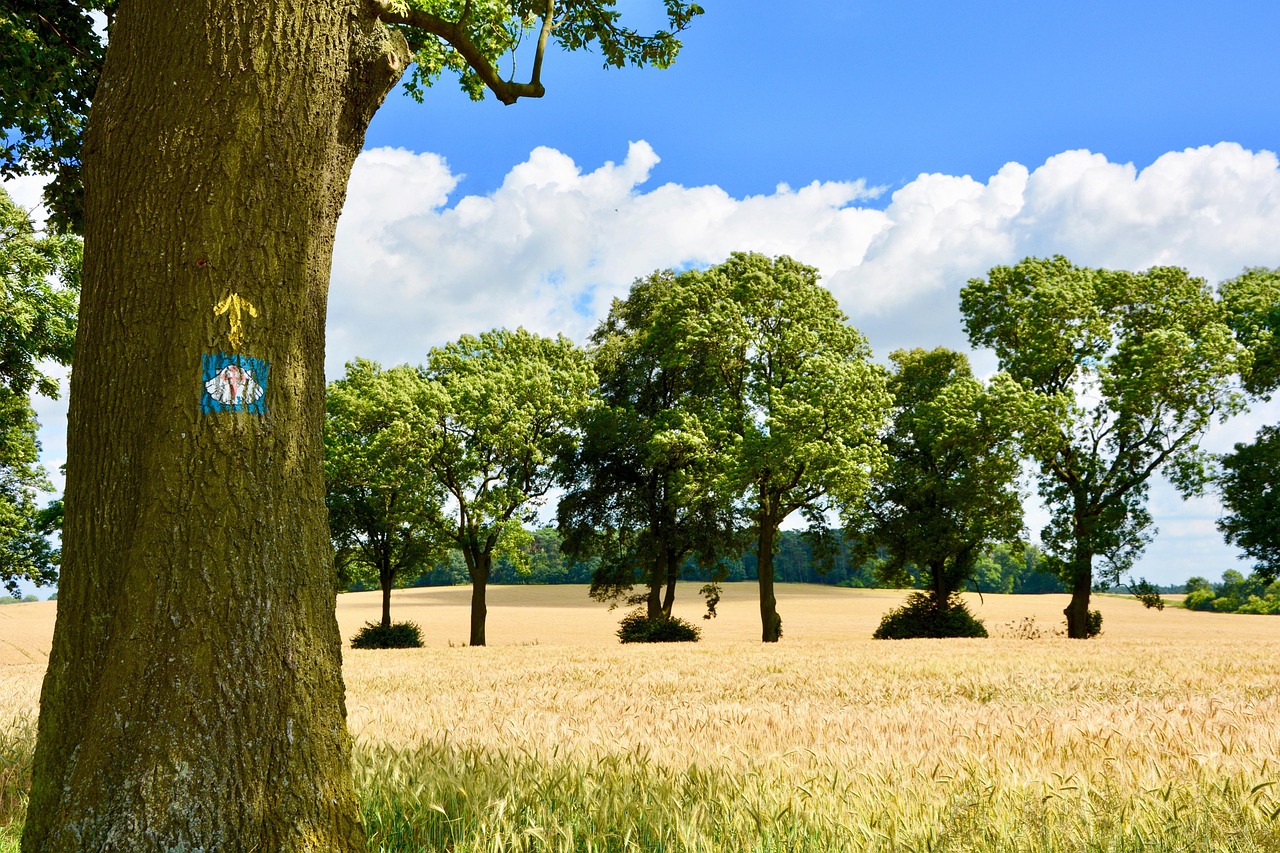
Faith showed up in many forms. Sometimes it was a quiet chapel. Sometimes it was the San Francisco church, where I sat longer than planned because the silence felt like shelter. The medieval waymarkers—shells, arrows, and weathered stones—became my daily reassurance: keep going.
In Santiago, the Pilgrim's Office made the journey feel official in a humble way, like someone was saying, “Yes, you really did this.” And seeing the Santiago Cathedral wasn’t just a photo moment—it was the end of a long conversation between my feet and the road.
“You don't just walk the Camino—you walk history itself.”
—Luis Fernandez, Historian
How the Landscape Changed My Mood and Pace
Mesetas: wide and quiet—perfect for clearing my head.
Pyrenees and tougher climbs: slower steps, stronger focus.
Galician hills: green, soft, and strangely comforting.
Small Encounters That Added Color
Now and then a local guide, or a bilingual host at a restored Galician stay, would share a story—dates, legends, saints, old battles. Those details didn’t feel like trivia. They made the path feel alive, and they made my own reasons for walking feel bigger than a single life.
Wild Cards: Anecdotes, Hypotheticals & Creative Analogies
Pilgrim Life, served on a tin lid
One night on the Camino de Santiago, my little group pooled what we had: a tin of anchovies, a loaf of bread that smelled like a warm bakery, and one bottle of cider. We sat on a low stone wall outside the albergue, boots dusty, feet aired out, church bells drifting in and out like a slow song. It wasn’t a “proper” dinner, but we ate like we’d earned it. We passed the tin around, laughed at our own salt-sticky fingers, and somehow still felt like royalty. That’s Pilgrim Life to me: simple food, shared stories, and the quiet feeling of “we’re in this together.”
What if the Camino de Santiago was a book?
Sometimes I play a game in my head: what if the Camino was a book—each route a chapter and each albergue a paragraph? The French Way reads like a classic. The Primitivo feels like a tougher, wilder chapter with fewer “easy pages.” And every stamp in my Pilgrim Passport is a sentence that proves I showed up again today. Meals, stamps, and late-night conversations become the plot twists I didn’t see coming.
Adventure as an old friend with awkward questions
I also think of this Adventure like an old friend who walks beside me and asks the questions I avoid at home: “What are you carrying that you don’t need?” “What are you grieving?” “What are you ready to begin?” It can feel annoying in the moment—like a blister you can’t ignore—but it leaves me clearer, lighter, and more honest.
Paulo Coelho: “If you think adventure is dangerous, try routine; it is lethal.”
Pop-culture sparks & tiny rituals
I’ve met pilgrims who took their first step because of The Way, or because a Paulo Coelho book made the idea of walking toward meaning feel possible. Then the trail takes over with small rituals: stamping the credential, washing socks at night, writing one line of reflection before sleep.
Micro-challenges (and one practical flash)
Trade one comfort (an extra shirt, a second “just in case” item) for the satisfaction of a clean, blister-free finish.
Carry one spare pair of socks and a small sinkwash kit:
soap + safety pins + travel line.
Conclusion: How I Came Back Different (and How You Might Too)
My Walking Tour ended, but the change didn’t
I started this Walking Tour because I wanted simplicity. I wanted my days to shrink down to the basics: eat, sleep, walk. Somewhere between the early mornings and the long afternoons, the noise in my head got quieter. I came back with friendships I didn’t expect, a stamped Pilgrim Passport that feels like a storybook, and priorities that finally make sense. The Camino didn’t hand me answers—it helped me hear my own.
I keep the Pilgrim Passport in my wallet—not as proof, but as a reminder that I can choose small, deliberate disruptions anytime.
How you can start (even if you can’t do the Full Camino)
If you’re feeling the pull, make it practical. Pick a route first. If you have the time and hunger for the long arc, the Full Camino (800+ km) is a powerful teacher. If life is busy, the final 100 km from Sarria to Santiago is a real Camino too, and it’s a common entry point for first-timers because it fits into about eight days and still carries the same rhythm and community.
Then train in a simple way: do a few 10–20 km walks before you go. Not to “get fit,” but to learn your pace, your feet, and what you actually like carrying.
Guided Tours, self-guided, and the support that makes it doable
Decide how much structure you want. Guided Tours can take care of the logistics and add cultural context, which frees your mind for the walking itself. Self-guided travel gives you more autonomy and quiet. Either way, remember the practical helpers: luggage transfers (so your back isn’t the boss), support vans on some itineraries, and booking accommodations early in popular seasons.
A small checklist—and an open invitation
Before you go, think: route, Pilgrim Passport, shoes, training walks, luggage plan, and where you’ll sleep. Then let the Camino ask you questions. Answer a few on the trail, and bring the rest home. Because the pilgrimage is both route and mirror—walk, and you may find what you didn’t expect.