



(Discover many other contents on: NOWO.ONE and NOWO Publishing)
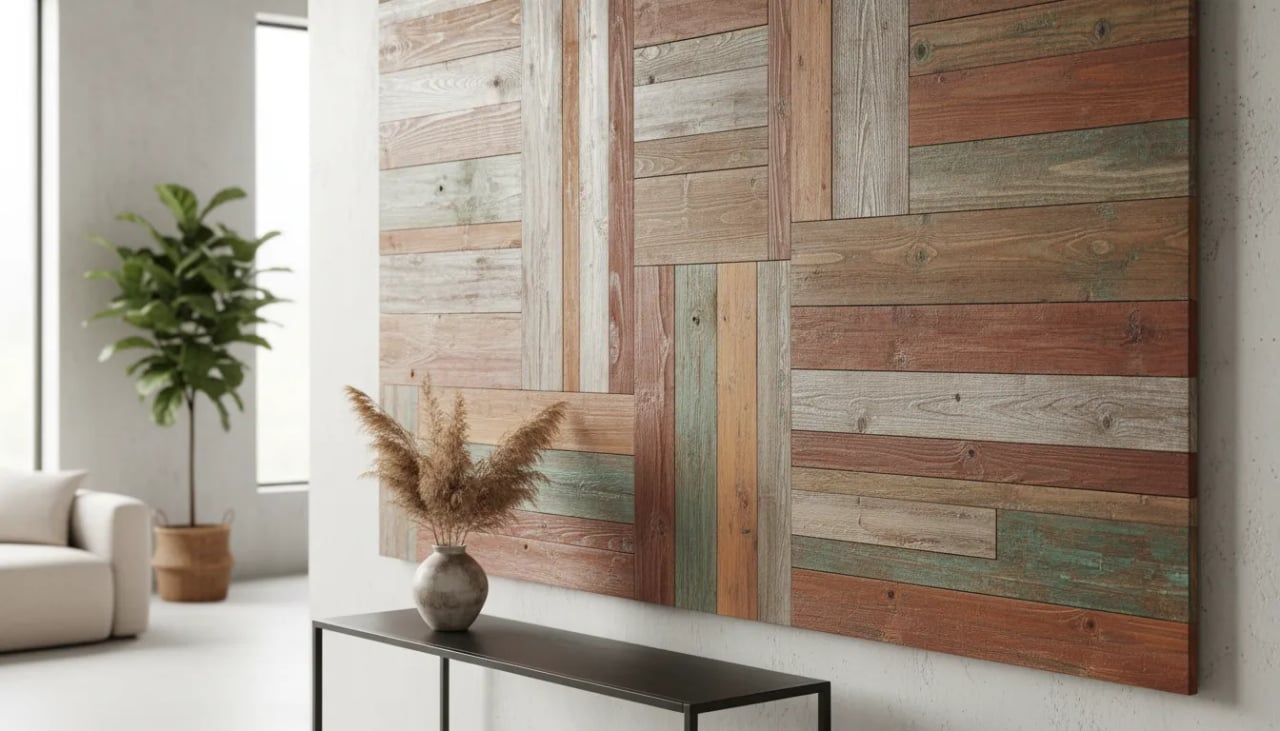
I used to think wall upgrades meant paint, wallpaper, or a full remodel. Then I discovered panels—and the results can feel instant, architectural, and surprisingly practical. Wall panels are versatile solutions that combine aesthetics and functionality. They can be made of wood, 3D materials, fabrics, stone, or even incorporate vertical plants. In addition to decorating, they can improve acoustics, create focal points, and add depth to rooms. Perfect for living rooms, bedrooms, hallways, or offices, panels allow you to personalize your space with style, color, and texture, adapting to any design preference, from modern to rustic.
Did You Know?
Many popular “wood slat” wall panels are actually PET felt–backed systems that can help reduce echo while adding a modern, linear focal point—an easy upgrade for home offices and media rooms.
I’ll walk through real benefits (like echo control and durability), popular options like Slatpanel-style kits, 3D PVC tiles, and acoustic fabric systems, plus installation choices—from Command strips to brad nailers and pro mounting. You’ll also get room-by-room ideas and a simple way to choose custom versus ready-made panels.
Benefits of Wall Panels: Beauty Plus Performance
Wall panels are versatile solutions that combine aesthetics and functionality. They can be made of wood, 3D materials, fabrics, stone, or even incorporate vertical plants. In addition to decorating, they can improve acoustics, create focal points, and add depth to rooms. Perfect for living rooms, bedrooms, hallways, or offices, panels allow you to personalize your space with style, color, and texture, adapting to any design preference, from modern to rustic.
Instant focal point
Turn a blank wall into a feature using slats, 3D relief, or stone-look panels to anchor furniture and art.
Depth, texture, and color control
Add shadow lines and tactile surfaces (wood grain, fabric weave, sculpted patterns) that paint alone can’t replicate.
Quieter rooms
Acoustic panels and fabric-wrapped systems reduce echo and improve speech clarity—useful for TVs, Zoom calls, and bedrooms.
Comfort and energy considerations
Panels can add a small thermal buffer and help hide drafty or uneven walls; pair with proper insulation upgrades for best results.
Zoning without walls
Define a dining nook, entry drop zone, or home office backdrop with a contrasting panel run or half-height wainscot effect.
Value-add finish
A well-executed feature wall can make rooms feel more premium in photos and showings—especially when lighting is integrated.
Visual impact: focal points, depth, texture, and color
When I want a room to feel “designed” fast, wall panels do the heavy lifting. A vertical slat wall behind a sofa (think wood-slat systems like WoodUpp or even a DIY grid cut with a DEWALT miter saw) creates rhythm and shadow lines that change throughout the day.
3D panels—like Art3d PVC decorative panels—add sculpted depth without the mess of plaster. Even painted MDF wainscoting, laid out with a laser level like the Bosch GLL series, brings structure that makes standard walls feel more architectural.
Acoustic improvements: less echo, better clarity
Soft surfaces matter, especially with hard floors. Fabric-wrapped acoustic panels (brands like ATS Acoustics or Audimute) and slatted acoustic systems with felt backing can noticeably tame flutter echo and make dialogue sound cleaner.
I treat this as “sound quality” rather than silence: panels help absorb reflections so rooms feel calmer, meetings sound clearer, and TVs don’t need to be as loud. Placement is everything—behind the TV, on the wall opposite speakers, or around a desk setup is where I feel the biggest payoff.
Thermal comfort and energy considerations
Panels can add a modest thermal buffer by creating another layer over a cold exterior wall, and they’re great for concealing uneven plaster or hairline cracks. If drafts are the real issue, I pair paneling with proper air sealing (like Great Stuff foam and quality caulk) and, where possible, insulation upgrades; panels are the finish layer, not a substitute for building-envelope fixes.
Space definition (zoning) and value-add
In open layouts, a panel change is a clean way to zone: a half-height panel run can define an entry drop zone, while a darker feature wall can “frame” a dining nook. Done neatly—with consistent reveals, aligned outlets, and deliberate lighting like Philips Hue wall washers—it reads as a premium upgrade that photographs well and can boost perceived resale appeal.
Materials and Styles: Wood, 3D, Fabric, Stone, Living Walls
Wall panels are less “one product” and more a menu of materials—each with a different look, price point, and real-world upkeep. I like to choose based on the style I’m building toward (modern, rustic, industrial, Scandinavian, biophilic), then double-check how the material behaves with sound, moisture, and install constraints.
Material Match: choose panels by vibe + upkeep
A fast way to pick wall panels is to start with the look you want, then sanity-check durability, acoustics, and install effort. Use this shortlist to avoid buying a finish that fights your lifestyle (or your stud spacing).
- ✓ Wood slats (oak/walnut veneer): warm, modern/Scandi; moderate upkeep; great with felt-backed acoustic kits
- ✓ 3D PVC/MDF panels: bold texture on a budget; paintable; lighter-duty and easier DIY
- ✓ Fabric acoustic panels (felt/PET): best for echo control; office/media-room friendly; usually the quickest clean
- ✓ Stone/stone-veneer panels: high-end, durable; heavier installs; ideal for industrial or rustic accents
- ✓ Living walls (preserved moss/planters): biophilic wow; needs light/watering if live; plan for moisture protection
Wood (slats, planks, veneer)
For modern, Scandinavian, and “warm minimal” spaces, wood slats are hard to beat—especially pre-made felt-backed kits like WoodyWalls or The Wood Veneer Hub’s slat panels. Expect mid-range pricing (often sold per panel), solid durability for living areas, and moderate maintenance: dusting plus a gentle wood-safe cleaner; avoid soaking.
Sustainability depends on the core and sourcing—look for FSC-certified veneer/plywood and low-VOC finishes. Acoustically, wood alone reflects sound, but wood-on-felt designs help tame flutter echo, which is why slat systems are popular behind TVs and in home offices.
3D panels (PVC, MDF, polyurethane)
3D panels give quick architectural texture for modern or glam spaces—think waves, flutes, or geometric relief—often at a budget-friendly cost. PVC and polyurethane are light, forgiving, and typically easiest for DIY with a utility knife; MDF is heavier and more dent-prone on corners but paints beautifully.
For installation, adhesives like Loctite Power Grab or Liquid Nails are common; paint with a durable interior latex (Benjamín Moore Advance or Sherwin-Williams Emerald Urethane for a tougher finish). These panels are mostly about visual impact, not sound absorption, unless paired with soft furnishings.
Fabric and PET-felt acoustic panels
If echo control is the goal, fabric-wrapped fiberglass or PET-felt panels are the most functional choice—perfect for offices, nurseries, and media rooms. Brands like GIK Acoustics, Acoustimac, and Felt Right offer ready-made options, and maintenance is usually just vacuuming with a brush attachment or spot-cleaning.
Style-wise, they lean modern and studio-clean, but color blocking can work in playful or Scandinavian rooms. PET felt is often made with recycled content; check for low-VOC adhesives if you’re covering a large wall.
Stone and stone veneer
For rustic, industrial, or lodge aesthetics, stone (or thin stone veneer like MSI or GenStone) delivers depth that paint can’t fake. It’s typically higher cost and heavier, so installation can shift from “weekend DIY” to masonry-style prep—flat substrate, correct mortar/adhesive, and thoughtful cuts.
Durability is excellent, but acoustics skew reflective; it can make a room livelier unless balanced with rugs, drapes, or acoustic art.
Living walls (moss, planters, modular greenery)
Biophilic panels range from preserved moss tiles (no watering) to modular planters that need light and irrigation. The look is instantly calming and pairs well with modern organic, Japandi, and wellness-focused interiors, but I plan for moisture protection (a sealed backer, spacing, and airflow) and keep them away from sensitive drywall where leaks would be catastrophic.
Installation and Care: From DIY to Professional
If I want wall panels to look “built-in” (not “stuck on”), I start with prep. I measure the full run with a Stanley FATMAX tape, then snap reference lines with a Bosch GLL 3-80 laser level so the first panel is perfectly plumb. I also map outlets and switches early, because one misaligned cutout can throw the whole pattern off.
Installation & Care in 5 Practical Steps
Measure + map the wall
Use a Stanley FATMAX tape and a Bosch GLL 3-80 laser level to mark plumb lines, outlets, and a centered layout; dry-fit a row before committing.
Check substrate + moisture
Confirm drywall/plaster is sound, flat, and dust-free. If it’s an exterior wall or basement, use a General Tools MMD4E moisture meter and fix leaks first.
Choose your mounting method
Adhesive (Loctite PL Premium) for flat, stable walls; battens/furring strips for uneven walls or to create a service cavity; mechanical fixings (SPAX screws + Fischer wall plugs) for heavy panels.
Cut, install, and finish edges
Cut with a DeWalt DWS780 miter saw (or a fine-tooth jigsaw for outlets). Set panels, add expansion gaps, and finish with caulk (DAP Alex Plus) and trims.
Care + troubleshoot
Clean with a microfiber cloth and pH‑neutral cleaner. Watch for warping, gaps, and stains—address humidity swings, re-adhere loose spots, and spot-seal as needed.
DIY vs professional install: what changes?
DIY is usually cheaper and slower: I budget a full weekend for one feature wall, plus tool time (miter saw, brad nailer, stud finder like the Zircon MultiScanner A200). A pro crew costs more, but layout is faster, cuts are cleaner, and tricky details—out-of-square corners, scribing to ceilings, seamless trim returns—look effortless.
For mounting, adhesive (Loctite PL Premium) is my go-to on flat, painted drywall after a light scuff-sand and wipe-down. Battens/furring strips are better when the wall is wavy, I want a cable run, or I’m chasing sound/thermal benefits. Mechanical fixing with SPAX screws into studs (or Fischer wall plugs in masonry) wins for heavier panels and peace of mind.
Cleaning, maintenance, and seasonal care
I keep cleaning gentle: a microfiber cloth, warm water, and a pH-neutral cleaner. I avoid soaking seams and skip abrasive pads that can haze laminates or tear veneer grain. In winter heating season and humid summers, I watch indoor humidity; big swings can open joints or telegraph movement.
Troubleshooting common issues
Warping: usually moisture or an uneven substrate—recheck with a General Tools MMD4E and correct the source before re-fixing.
Gaps: layout drift or seasonal movement—add/maintain expansion space, and use DAP Alex Plus for paint-grade edges.
Staining: wipe quickly, then spot-seal exposed MDF/wood edges; persistent stains can indicate a leak behind the panel.
Design Ideas by Room: Living Rooms, Bedrooms, Hallways, Offices
I like wall panels most when they do two jobs at once: they create a focal point and solve a practical problem (cables, scuffs, echo). The trick is choosing where the “hero” wall lives, then layering color and finish so it feels intentional instead of busy.
Living Room Feature Wall
Pick one focal plane (behind sofa or TV), then mix a matte base (paintable MDF slats) with a warmer accent (oak veneer) for depth. If mounting a TV, locate studs first and plan a cable chase or surface raceway like Legrand Wiremold.
Bedroom Headboard Zone
Run panels 8–20 inches wider than the bed on each side and stop at nightstand height if you want a lighter look. Choose calming textures (felt-backed PET slats, linen-look panels) and soft, low-sheen colors like warm white or clay.
Hallway Durability Pass
Use impact-resistant wainscoting height (32–42 inches) in narrow corridors to protect from bags and pets. Favor wipeable finishes (semi-gloss paint, laminate, sealed wood) and add a slim LED wall-wash (Philips Hue Lightstrip) to widen the feel.
Office Acoustics + Clean Lines
Treat the wall behind my desk with acoustic slat panels (felt + wood) to tame echo on calls. Keep the palette professional—black felt with walnut, or light oak with white—and align slats with shelving for a built-in look.
Mixing colors, finishes, and layering for depth
When I want panels to look custom, I keep the main field consistent (all slats, all squares, or all beadboard), then introduce contrast with finish instead of pattern. A simple combo I rely on is light oak veneer + a deep paint color like Benjamin Moore Hale Navy or Sherwin-Williams Iron Ore on the surrounding walls.
For extra dimension, I add a “shadow layer”: paint the wall behind open slats a darker tone than the slats themselves, or run a thin LED strip (Govee LED Strip Lights or Philips Hue Lightstrip) to graze the texture. Even in small rooms, that layered look reads polished rather than heavy.
Matte + satin: matte panels with satin trim hide fingerprints but still catch light.
Wood + felt: wood slats over black or gray PET felt instantly looks intentional and helps sound.
High-traffic edges: in hallways, protect corners with a small wood cap rail or a durable chair-rail profile.
Custom vs Ready-Made Panels: Choosing What’s Right
I think of wall panels in two buckets: ready-made systems I can buy quickly (and live with their constraints), and bespoke panels that are designed around my walls and the exact look I want. The “right” choice usually comes down to cost, lead time, and how unforgiving the space is.
Quick Decision Snapshot: Bespoke vs Ready‑Made Panels
Custom (Bespoke) Wall Panels
Made-to-order panels tailored to your exact wall conditions and brand or design goals.
- • Lead time: typically longer due to CAD drawings, sampling, and fabrication
- • Customization: exact sizing, cutouts (outlets, switches), unique patterns and brand colors (Pantone/paint matches)
- • Best for irregular walls, curves, tight tolerances, or feature walls that must align with cabinetry/signage
- • Install: may require a templating visit and a more precise install team
- • Warranty: often tied to the fabricator/installer; clarify coverage for finish, delamination, and on-site handling
Ready‑Made (Off‑the‑Shelf) Wall Panels
Standard panels sold in set sizes/finishes for fast purchase and predictable installs.
- • Lead time: usually quicker—buy from stock or standard order
- • Customization: limited to catalog patterns, colors, and thicknesses; trimming typically needed
- • Best for flat, square rooms and budget-led refreshes
- • Install: DIY-friendly systems (e.g., Tongue‑and‑Groove MDF) or simple adhesive installs
- • Warranty: clearer manufacturer terms; verify moisture rating for kitchens/baths
Cost and lead times: what I’m really paying for
Ready-made panels (think Tongue‑and‑Groove MDF kits, PVC bathroom cladding sheets, or SlatWall-style wood slats) are usually cheaper upfront because they’re standardized and stocked. Custom work costs more because I’m paying for templating, drawings, sampling, and fabrication—and I need to plan for a longer production window.
Customization, install complexity, and warranty gotchas
Bespoke shines when pattern alignment matters (fluted spacing, bookmatched veneer, acoustic groove layouts) or when I need exact sizing around outlets, niches, and lighting. It’s also the right call for brand identity in a reception area or retail wall, where consistent color matching and repeatable details are part of the value.
Ready-made wins when I want a fast refresh with predictable install steps and a straightforward manufacturer warranty. For custom, I always ask who owns the warranty: the fabricator, the installer, or both—and whether finish damage during install is covered.
Frequently Asked Questions
If I’m renting, I stick to reversible installs: peel-and-stick PVC, Command™ Strips with lightweight MDF slats, or freestanding acoustic screens. I skip construction adhesive. When it’s time to move, I warm adhesive tiles with a hair dryer, peel slowly, then spackle and touch up paint.
Cost varies a lot by material. Budget peel-and-stick tiles are often $5–$15 per sq ft ($54–$161 per m²). Wood/MDF slat systems commonly land around $10–$30 per sq ft ($108–$323 per m²). Premium stone veneer and architectural panels can run $30+ per sq ft ($323+ per m²), especially with pro installation.
For acoustics, felt or PET panels can make a room feel less echoey, especially if I cover about 15–30% of wall area at first-reflection points (TV wall, behind my desk, opposite speakers). Exact improvement depends on thickness, furnishings, and room size.
Are wall panels suitable for rental properties, and are they easy to remove? ▼
How much do wall panels typically cost per square foot (or m²)? ▼
Can wall panels improve room acoustics—and by how much? ▼
What maintenance do different panel materials need? ▼
Are living (vertical) plant panels practical indoors? ▼
How do I choose the right panel for a small room? ▼
Conclusion
Wall panels are versatile solutions that combine aesthetics and functionality. They can be made of wood, 3D materials, fabrics, stone, or even incorporate vertical plants. In addition to decorating, they can improve acoustics, create focal points, and add depth to rooms. Perfect for living rooms, bedrooms, hallways, or offices, panels allow you to personalize your space with style, color, and texture, adapting to any design preference, from modern to rustic.
🎯 Key takeaways
- → Wall panels boost style and performance—think acoustic comfort, added depth, and a strong focal point, whether I choose wood slats, 3D PVC, fabric, stone veneer, or a vertical-plant panel.
- → My best next step is to match the room’s goal (quiet office vs. cozy bedroom vs. statement living room), then confirm measurements, moisture level, and light before buying.
- → For a clean finish, I’ll use the right install method (3M VHB tape for light panels, construction adhesive for heavier ones, or furring strips), and I’ll order samples to verify color and texture.
My next steps: pick one wall, order samples, and plan the install—laser level, painter’s tape layout, and a clear cut list. If I’m unsure, I’ll start with peel-and-stick options like Art3d panels before committing to heavier stone veneer or full slat systems.