



(Discover many other contents on: NOWO.ONE and NOWO Publishing)
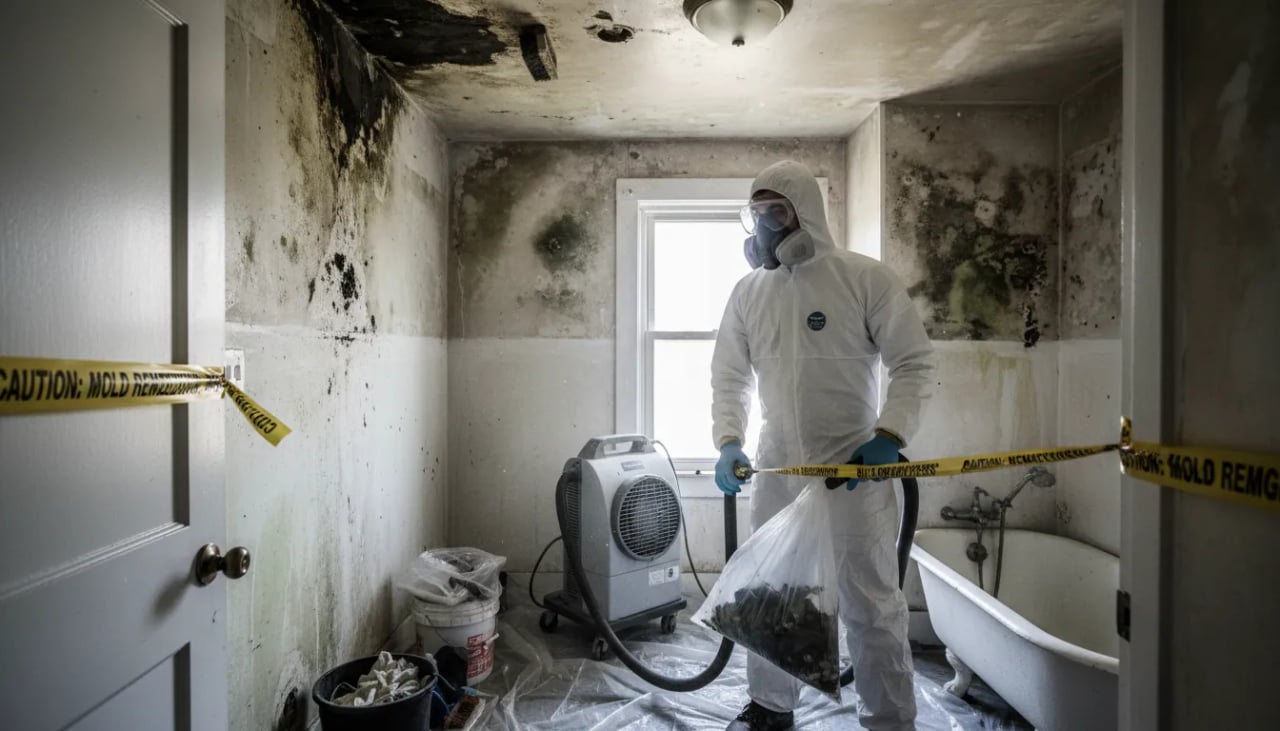
I still remember the first time I spotted a shadowy patch behind my bathroom towel rack — a sneaky, stubborn bit of mold that smelled worse than it looked. That little discovery kicked off a months-long obsession with understanding what mold wants (damp, darkness, poor airflow) and how to outsmart it without nuking my house with harsh chemicals. In this short guide I share practical steps I’ve tried, the eco-minded products that impressed me, and a few head-scratching mistakes I made along the way.
1) What Mold Really Is — My Wake-Up Call
I used to think mold was just a “dirty bathroom” problem. Then I learned the truth: mold is a microorganism that grows when a space stays damp, has poor ventilation, and gets little light. That combo can happen almost anywhere—behind furniture, inside closets, around windows, and even in ductwork. Once I understood that, I stopped treating mold like a random stain and started seeing it as a moisture and Indoor air quality issue.
Where Mold Likes to Live (and Why)
Mold doesn’t need much to get started. Give it moisture and still air, and it can show up on:
walls and ceilings
fabrics, towels, and carpets
wood, lumber, drywall
concrete and cinder block
ductwork and vents
The tricky part is how different materials react. On non-porous surfaces, mold may sit more on top. But porous materials (like drywall, wood, and fabric) can let mold’s hyphae and mycelium grow into the material, which makes true cleaning harder and sometimes impossible without removing the damaged piece.
The Signs I Ignored at First
My first clue wasn’t a big black patch—it was a musty odor that wouldn’t go away. Then I noticed faint dark specks near the bathroom ceiling. Around the same time, I started sneezing more after showers, with a little throat irritation. If you’re sensitive, mold can trigger allergies and respiratory problems, even when you can’t see much yet.
My Towel Rack “Shadow” Lesson in Humidity
The real wake-up call happened behind a towel rack. The rack cast a small shadow, and that spot stayed slightly cooler and darker. Add steamy showers and a fan I rarely used, and I basically created a perfect mold nursery. When I lifted the rack, there it was: a spreading stain that told me I needed Mold growth prevention, not just scrubbing.
I also realized that Mold removal products matter—but understanding the biology comes first.
"Eco-friendly formulations are the future of remediation." —
2) Removal Tactics I Actually Use (Safe & Effective)
Step 1: Kill the mold at the source (moisture first)
Before I touch a single stain, I fix the conditions that let mold grow: damp air, poor ventilation, and leaks. Mold is a microorganism that thrives where it’s dark, humid, and still—so I make the space brighter and drier fast.
Ventilate: I open windows, run the bathroom fan longer, and use a box fan to push damp air out.
Fix leaks: I check under sinks, around tubs, and near windows. Even a slow drip can keep mold alive.
Dehumidify: If humidity stays high, I run a dehumidifier until the room feels dry again.
Step 2: Clean with targeted products (I rotate based on the surface)
I don’t use one “best mold remover” for everything. I choose based on how bad the growth is and whether the surface is porous.
Mild spots (tile, sealed surfaces): I start with water + vinegar. It’s simple, low-waste, and often enough for light growth.
Stains that won’t budge: I reach for a Mold stain remover like MMR Mold Stain Remover. It’s biodegradable, covers about 175–250 sq ft per gallon, and works well when discoloration is the main issue.
If I’m avoiding harsh chemicals: I use Concrobium, a non-bleach option that’s helpful when I want results without the strong fumes of bleach-based cleaners.
Eco-leaning commercial picks: I’ve also used CLR products with the EPA Safer Choice label when I want something stronger than DIY but still mindful.
"MMR’s formula is designed to be destructive to mold hyphae and mycelium in porous materials." —
Step 3: Dry everything thoroughly (or it comes right back)
After cleaning, I dry the area completely with airflow and time. A damp clean is just a future mold party. For porous materials like wood and drywall, I’m extra cautious—mold can grow deep, so heavy damage may need aggressive removal or a pro.
3) Preventing Mold — The Long Game (Humidity, Ventilation, Coatings)
Mold prevention solutions start with moisture control
Mold is a microorganism that loves damp spaces with poor airflow and little light. If I only scrub the stains but ignore the moisture, it comes right back—often on walls, ceilings, fabrics, and wood, along with that musty smell and possible allergy or breathing issues. So my best mold prevention solutions are simple: keep things dry, keep air moving, and fix water problems fast.
Air out rooms daily (bathrooms, kitchens, laundry areas).
Check humidity and aim for a comfortable, dry range (especially in high-humidity regions where inspections often flag poor humidity control).
Repair leaks promptly—roof drips, plumbing seepage, window leaks, and sweating pipes.
Ventilation + humidity control systems (my non-negotiables)
I treat ventilation like a routine, not a one-time fix. I run exhaust fans during showers and cooking, open windows when weather allows, and make sure vents actually vent outdoors. If humidity stays high, I use a dehumidifier or a whole-home humidity control system. This is the “long game” because it removes the one thing mold needs most: moisture.
Mold resistant coating: long-term protection for vulnerable surfaces
Once an area is clean and fully dry, I consider a Mold resistant coating for surfaces that tend to get damp—basement walls, laundry rooms, behind cabinets, and around HVAC chases. I look for a Water-based formula that won’t add harsh fumes, and I prefer a Zero VOC antimicrobial option for indoor air comfort.
Sporicidin is one example of a water-based, zero-VOC antimicrobial coating used on lumber, drywall, and even ductwork. It’s described as a permanent, EPA-registered antimicrobial that can penetrate porous and non-porous materials, dries in about 30 minutes to 2 hours, and leaves a breathable, paintable surface (with a UV-detectable pigment for warranty checks).
"Sporicidin provides a breathable, paintable surface with EPA-registered antimicrobial protection." —
HVAC, attics, and crawlspaces: stop spread at the source
For HVAC and hidden zones (attics/crawlspaces), I focus on targeted prevention: sealing air leaks, improving airflow, and using professional-grade coatings where appropriate. Industry product lines also include protective metal/aluminum coatings and self-evaporating coil cleaners, plus prevention-focused items like inhibitors and air treatments (for example, FixMold’s AirBiotics and protective coatings).
4) Picking Products and When to Call a Pro
When I shop for mold removal products, I start with the label and the location. Mold thrives in damp, dark, poorly ventilated spots, so I always pair cleaning with moisture control (better airflow, fixing leaks, and sometimes a dehumidifier). Product choice matters because what works in a crawl space may be too harsh for a bedroom wall.
How I Compare Mold Remediation Products: Plant-Based vs. Bleach
Modern mold remediation products are trending toward biodegradable, plant-based formulas that balance performance and environmental responsibility. I like these for everyday indoor areas because they’re gentler and usually have fewer fumes. The trade-off: they can need repeat applications on old stains.
Bleach-based sprays can kill fast, but I treat them as “use with care.” They can discolor surfaces, irritate lungs, and don’t always solve the moisture problem that caused the growth.
My Go-To Picks by Space (Residential vs. Commercial Mold Remediation)
Living spaces (bathrooms, bedrooms): I lean toward EPA Safer Choice or non-bleach options like CLR Mold & Mildew Clear Stain Remover and Concrobium Mold Control.
Attics, crawl spaces, unconditioned areas, heavy stains: I step up to commercial-grade removers like MMR Mold Stain Remover (biodegradable commercial grade). It covers about 175–250 sq ft/gal, which helps when the job is big.
Tile and grout “shock treatment”: bleach formulas like Clorox Tilex Mold and Mildew Remover Spray or Mold Armor E-Z House Wash (often marketed as no-scrub) can be effective, but I ventilate well and spot-test.
"Concrobium is a great non-bleach alternative for everyday indoor use." —
Extra Protection After Cleaning
For longer-lasting prevention, professional residential mold remediation and commercial mold remediation often combine product application with humidity control systems and protective coatings like Sporicidin Mold Resistant Coating (dries in about 30 min–2 hrs). I’ve also seen new eco-focused lines like FixMold (press release dated 2026-01-19) aimed at removal + prevention.
When I Stop DIY and Call a Pro
Widespread contamination (large areas or multiple rooms).
HVAC involvement (vents, ducts, air handler).
Structural suspicion (soft drywall, warped wood, recurring growth after drying).
Wild Cards: A Hypothetical, A Quote, and a Tiny Tangent
A Hypothetical: The Case of the Hidden Humidity
Sometimes I stay motivated by turning mold into a little detective story. Imagine humidity as the culprit, slipping through a bathroom fan that barely works, hiding in a damp attic corner, and leaving clues like musty odors and dark stains. I’m the detective, flashlight in hand, chasing a mold colony through attic vents. It sounds silly, but it helps me remember the real plot: mold is a microorganism that loves damp spaces with poor ventilation and low light, and it can trigger allergies and breathing issues. If I “catch” the humidity—by airing out rooms, fixing leaks, and using a dehumidifier when needed—the mold loses its power.
A Quote: Where the Industry Is Headed
Eco-friendly mold remediation isn’t just a DIY trend; it’s where the market is going. I’ve noticed more brands pushing biodegradable, plant-based options that still aim for serious results.
"FixMold’s new line prioritizes biodegradable, plant-based ingredients for professional-grade mold remediation."
That line comes from a Jan 19, 2026 press release about FixMold (Fix Mold Miami), a company with 20+ years in environmental services, launching eco-focused products like organic mold removers and inhibitors, a self-evaporating coil cleaner, protective metal and aluminum coatings, and AirBiotics all-natural cleaners. It’s a good reminder that “green” doesn’t have to mean “weak.”
A Tiny Tangent: Vinegar, Paint, and My Lesson Learned
I love simple solutions like water and vinegar, but I once used vinegar on a painted wall and learned the hard way that test patches are your friend. The paint dulled in one spot, and I had to touch it up. Now I always test a small hidden area first, then clean, then dry the surface completely—because moisture left behind is basically an invitation for mold to return.
As I wrap up, here’s my final take: prevention beats panic. Keep airflow moving, keep humidity in check, and choose products that match your values. If you want a store-bought option, I also appreciate that CLR has an EPA Safer Choice certification and even earned a Good Housekeeping Best Cleaning Award. Whether you go DIY or buy a Biodegradable plant-based cleaner, the goal is the same: dry, clean surfaces and a home that stays that way.