

(Discover many other contents on: NOWO.ONE and NOWO Publishing)
I still remember the first time I walked into a staged home and felt like someone had handed me a script for living there. That ‘aha’ moment—when empty rooms suddenly read like a lifestyle—hooked me on staging. In this post I’ll walk you through why home staging works, the 2026 trends I can’t stop recommending (warm palettes, natural materials, cozy nooks), and practical, sometimes slightly oddball, tactics I use when I’m on a tight timeline. Expect personal anecdotes, blunt pro tips, and one hypothetical scenario that made a skeptical seller change their mind.
Why Home Staging Still Wins: The Seller's Edge
When I talk about Home Staging, I’m not talking about “decorating.” I mean a professional property enhancement technique that makes a home feel welcoming, neutral, and easy to picture as their next chapter. By studying the space and using furniture, textiles, lighting, and simple decor, I can shape a clear first impression—one that helps buyers connect fast and see the home’s potential without distractions.
Home Staging = Buyer Appeal That Starts Online
Most buyers meet your home on a screen first. Research shows staging supports online marketing because 88% of internet-searching buyers rely on photos. That’s why Professional Staging (and Virtual Staging for online listings) matters: it improves composition, scale, and light so photos look clean, bright, and believable—without feeling cold.
Staging Benefits: Sell Faster With a Clear Plan
Speed is a huge part of the Seller's Edge. According to RESA data, staged homes sell 74% faster, and 90% of staged listings receive offers within the first month. I see this happen because staging removes the “work” buyers feel they need to do. When a home looks move-in-ready, people act with more confidence—and sooner.
Neutral Palette to widen appeal and reduce strong personal style
Declutter Spaces so rooms feel larger and storage feels real
Simple lighting upgrades to eliminate dark corners in photos and showings
Furniture placement that improves flow and makes each room’s purpose obvious
Fewer Price Cuts, Less Negotiation Pressure
Staging also protects your price. A staged home feels cared for and consistent, which can reduce nitpicks during showings and inspections. When buyers don’t see visual chaos, they’re less likely to assume hidden problems. That often means fewer requests, fewer concessions, and fewer painful price reductions after weeks on the market.
Ava Martinez, Certified Home Stager: "Staging isn't fluff—it's a sales strategy. It turns listed space into a story buyers want to buy."
Return on Investment: The Numbers Favor Staging
If you’re weighing cost vs. payoff, the Return on Investment can be strong. Staging has been shown to deliver up to a 196% ROI, which is hard to beat with many conventional investments. For me, that’s the simplest definition of a true Seller's Edge: spend intentionally, present powerfully, and Sell Faster with fewer compromises.
2026 Design Trends: Warm Palettes, Natural Materials, and Curves
When I stage a home in 2026, I’m not trying to “decorate.” I’m using Home Staging Trends to shape a feeling—welcoming, neutral, and emotionally engaging—so buyers can picture real life there. This year’s direction is clear: authenticity over maximalism. Intentional design beats stuffing rooms with trend items, and the best results come from smart choices in furniture, textiles, lighting, and decor.
Warm Color Palettes: Cozy First Impressions That Still Feel Neutral
Warm Palettes are leading because they read as friendly the moment someone walks in. I lean on warm earthy tones—terra, soft ochre, and warm greys—then keep the look clean with simple contrasts (like creamy whites and matte black accents). Research insights back this up: warm earthy palettes plus layered textures create inviting staged spaces, which helps a listing stand out without feeling loud.
Natural Materials + Nature Texture (Biophilic Design)
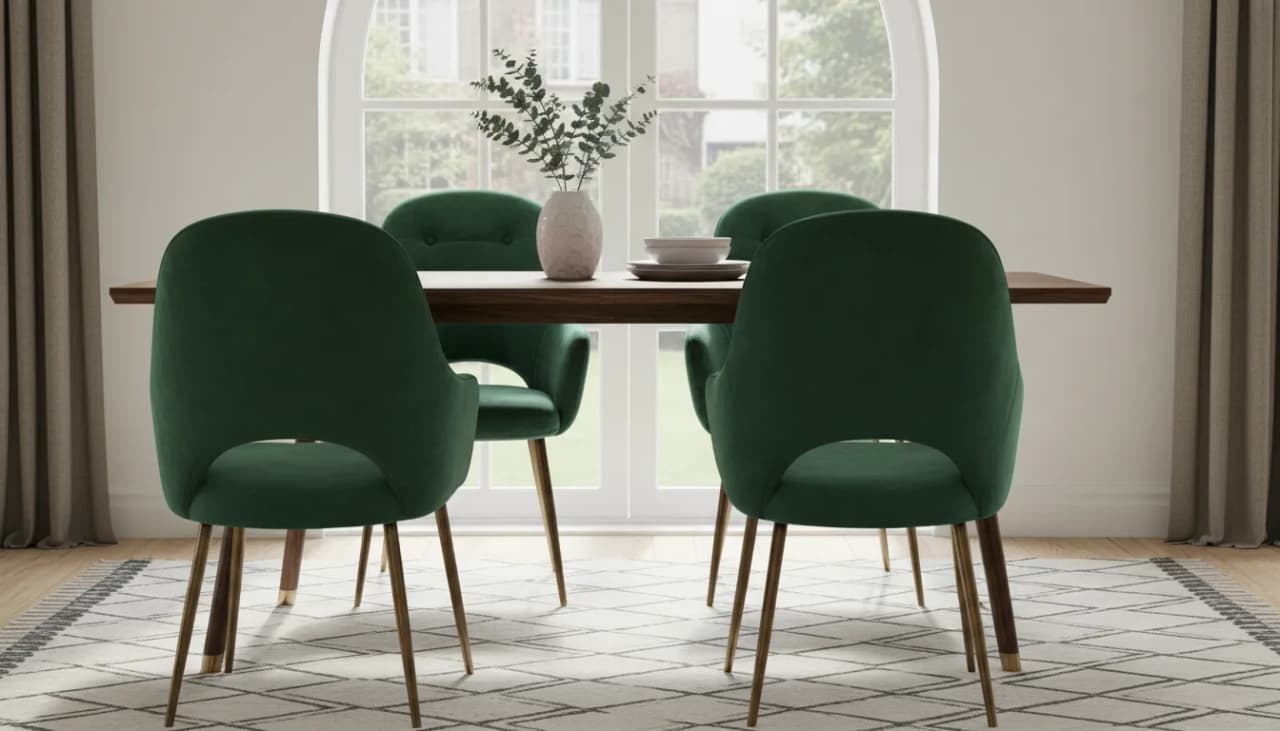
Buyers are craving real texture. Natural Materials like wood, stone, and linen signal quality and calm, and they connect directly to Biophilic Design. I’ll often add a linen throw, a wood side table, or a stone-look tray to create “Nature Texture” that feels personal but still broadly appealing. Trend insight for 2026 also points to nature-mimicking textures—natural marble, wood, and stone—as a way to make spaces feel more lived-in and believable.
Wood: warm oak tones, slatted details, simple frames
Stone: marble accents, travertine-style decor, textured ceramics
Linen: relaxed curtains, bedding, and pillows for soft layering
Curved Shapes: Curves Comfort + Quiet Luxury
Curved Shapes are my go-to for instant softness. Rounded sofas, oval coffee tables, arched mirrors, even scalloped kitchen islands help a room feel calmer and more high-end. This aligns with the insight that curves increase perceived comfort and luxury—what I call Curves Comfort. Even one curved piece can balance a boxy room and make photos feel more premium.
Modern Heritage: Vintage Pieces With a Light Touch
The “Modern Heritage” look is perfect for staging: a clean base with a few Vintage Pieces or repurposed finds that add story. I’ll mix in one vintage lamp, a worn-wood bench, or framed art with age—then keep everything else simple so the home still feels neutral.
Daniel Brooks, Real Estate Agent: "Buyers respond to warmth and story—neutral doesn't mean sterile anymore; it means curated comfort."
Staging Hacks I Use (and Why They Work)
Home staging is my go-to way to make a property feel warm, neutral, and easy to picture as “mine”. I analyze the space, then use furniture, textiles, lighting, and simple decor to create an emotionally engaging look that photographs well and shows better in person. Since 88% of buyers browse online listings first, I stage for a photo-first impact—because the photos are the first showing.
Staging Tips: Declutter Ruthlessly (Edit for Scale + Calm)
My most reliable Staging Tip is editing. Decluttering and minimalism make rooms feel larger, calmer, and more high-end—fast. I remove anything that interrupts the flow or hides the true size of the room. Less visual noise makes the home feel more premium, and it reduces the “I’ll need to fix this” feeling buyers get.
I use a simple staging checklist so sellers know what to remove vs. what to enhance:
Remove: extra chairs, oversized rugs, personal photos, countertop appliances
Keep: one statement piece, clean textiles, a few neutral accessories
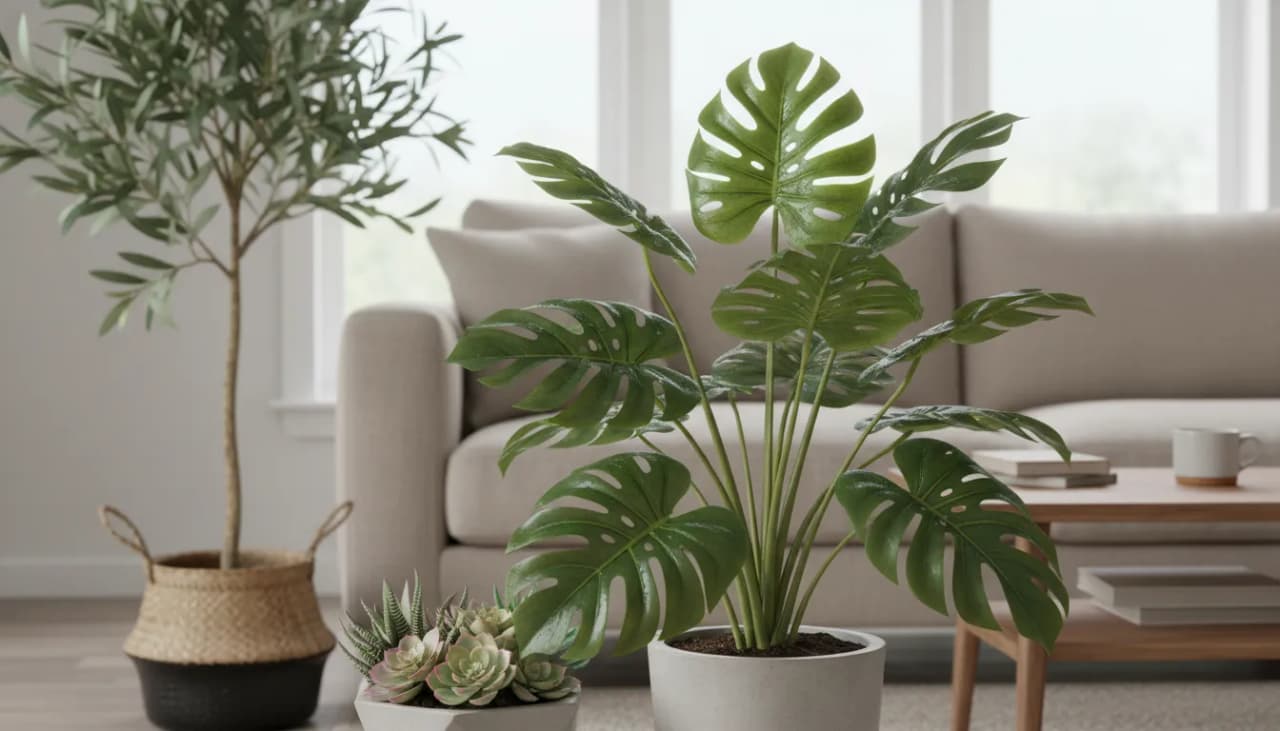
Enhance: fresh bedding, crisp towels, one plant per key room
Lifestyle Areas That Sell: The Reading Nook + Mini Zones
Buyers don’t just buy rooms—they buy a life. That’s why I create Lifestyle Areas (also called Lifestyle Spaces) like a Reading Nook, a mini office corner, or a breakfast spot. These small zones increase perceived functionality and help people imagine daily routines in the home.
Lena Howard, Interior Stylist: "A tiny reading nook tells a buyer 'this home supports a life,' which is priceless in photos and viewings."
Tangent: I once staged a tiny apartment and used a vintage lamp to anchor a conversation area; it felt like furniture therapy. One warm pool of light made the whole place feel intentional.
Natural Lighting + Layered Lighting (My Fastest Upgrade)
Natural Lighting is a deal-maker in photos. I swap heavy curtains for lighter panels, clean windows, and open blinds fully. Then I layer lighting: warm bulbs, a floor lamp, and a table lamp to remove shadows. Mirrors placed across from windows bounce light and make spaces feel wider.
Smart Features, Subtly Placed (Modern, Not Distracting)
I like to hint at convenience with Smart Features—a visible smart thermostat, a smart lock on the entry, or a small smart speaker in the kitchen. The key is subtlety: it should read as “updated” without stealing attention from the home itself.
Virtual Staging and ROI: Affordable Photo-First Tactics
When I think about Home Staging Trends for 2026, I keep coming back to one simple truth: buyers shop online first. If the photos don’t connect, they scroll. That’s why Virtual Staging has become my favorite “photo-first” tactic—especially when the goal is to Sell Faster without spending like a luxury listing.
Virtual Staging = Fast, Budget-Friendly First Impressions
Virtual Staging uses AI and photo editing to show what a room could look like with the right furniture, textiles, lighting, and decor. It supports the same purpose as home staging: creating a welcoming, neutral, emotionally engaging space that helps people imagine living there. The difference is speed and cost. Research insights show it can boost online interest and is often far more cost-effective than full physical staging—perfect for vacant homes or tight budgets.
Marcus Lee, Digital Staging Specialist: "Virtual staging lets buyers fall in love with a vision before they step in the door—it's the digital window dressing of 2026."
Pair It With a Clean, Bright Photo Session (Non-Negotiable)
Virtual furniture can’t fix bad basics. I always start with a decluttered, well-lit shoot so the edits look real and the home feels inviting. Professional staging (virtual or physical) is about maximizing photos, and it matters because 88% of internet-searching buyers rely on online visuals to shortlist homes.
Declutter counters, floors, and corners (empty space reads as “bigger”).
Light it: open blinds, replace bulbs, and shoot when rooms are brightest.
Keep it neutral so the design feels broadly livable, not personal.
ROI: Where Virtual Staging Fits in Your Return Investment Plan
For Return Investment, I treat virtual staging as the first layer of Professional Services: it upgrades the listing fast, increases clicks and showings, and can reduce price cuts by creating stronger early demand. Costs vary widely, so I compare local providers and ask for sample images that match my property style before I commit.
Need | Best Fit |
|---|---|
Vacant rooms, tight budget | Virtual staging + pro photos |
High-end listing, many showings | Virtual + selective physical staging |
Be Transparent to Protect Trust
I always disclose it. Label images clearly in the listing text (and ideally on the photo) so buyers aren’t disappointed at viewings. Transparency keeps trust high—and trust is what turns online interest into real offers.
A Mini Case Study: How I Turned a Listing Around
Situation: 45 Days on Market, Low Interest
I walked into a 3-bedroom suburban home that had been sitting for 45 days. The price wasn’t crazy, but the photos felt flat and the rooms read as “someone else’s house.” Buyers couldn’t picture their life there, so showings were light and feedback was vague.
Home staging, at its core, is a professional way to enhance a property so it feels welcoming, neutral, and emotionally engaging—the kind of place where people can instantly imagine it as their home. That’s what this listing needed to protect Market Value and set up a Quick Sale.
Intervention: Declutter Spaces + Build Lifestyle Areas
I needed the seller’s buy-in fast. True story: I bribed them with coffee and a pastry to get the green light for staging. It worked.
Then I followed a focused plan (because research and real-world results both show that tight editing and a clear staging strategy can cut days on market):
Declutter Spaces: cleared counters, removed extra chairs, and edited closets so storage looked generous.
Warm palettes: swapped cool bulbs for warm lighting, added a soft rug, and layered neutral textiles.
Lifestyle Areas: created a small home office in the spare room and a reading nook in the corner of the living room.
Hybrid staging: light physical staging in key rooms, plus a quick virtual staging pass for online photos to show the best layout.
Ava Martinez, Certified Home Stager: "Sometimes the smallest change—a lamp, a throw, a cleared counter—moves the needle dramatically."
Result: Offers in 10 Days, 62% Faster
After the updates and new photos went live, the listing got real traction. We received offers within 10 days. It ultimately sold 62% faster than the previous neighborhood average, and the negotiation room was minimal because buyers felt the home was cared for and move-in ready.
Metric | Before | After |
|---|---|---|
Days on market | 45 | Offers in 10 |
Speed vs. neighborhood average | — | 62% faster |
Takeaway: Small Budget, Smart Edits, Sell Faster
This wasn’t a renovation—just intentional design choices, strong editing, and a mix of virtual + physical staging to amplify the first impression online. That’s why staging often delivers strong ROI: fewer price reductions, quicker closings, and a better shot at holding Market Value while you Sell Faster.
Wild Cards: Sustainability, Storytelling, and the Staging Future
Eco Conscious choices that buyers can feel
Home staging is still what it has always been for me: a professional way to enhance a property so it feels welcoming, neutral, and emotionally engaging—so buyers can picture it as their home. But in 2026, the “wild cards” are getting louder, and Sustainability Trends are one of the biggest. I’m seeing more buyers actively look for homes that align with their values, and Eco Conscious staging helps them notice that care right away.
I lean on reclaimed wood accents, low-VOC paints, and vintage leather pieces that already have a life story. These choices read as Authentic Decor, not showroom perfection. They also photograph beautifully, which matters in competitive markets where Smart Features and strong first impressions can make a listing stand out.
Sophia Clarke, Sustainability Designer: "Using reclaimed and natural materials isn’t just trendy—it tells a buyer this home has a conscience."
Story Telling vignettes that create an emotional hook
Design is moving away from “more stuff” and toward intention. That’s where Story Telling becomes my secret weapon. Instead of filling every corner, I build small moments that suggest a lifestyle without forcing it. A “morning coffee ritual” vignette might be a simple tray, a mug, and a book by a window. A “family game night” scene can turn a plain table into one of those Lifestyle Spaces buyers crave.
These vignettes work because they help people connect emotionally, and research backs it up: storytelling in staging strengthens buyer attachment. When a buyer feels something, they negotiate less and decide faster.
Biophilic Design meets the next wave of tech
I’m also blending Biophilic Design with clean, modern tech. Nature-based textures—wood grain, linen, stone, leafy greens—soften a space and make it feel calm. Now imagine the next step: AR-enabled staging where buyers can toggle furniture styles on their phone while standing in the room. Minimalist? Warm modern? Vintage? It sounds futuristic, but it may be “soon,” not “someday.”
A final wild card: I stage to music
One last confession: sometimes I stage to music. Jazz makes me slow down and layer textures. Indie pushes me toward lighter, airier choices. Laugh if you want—but mood shapes decisions, and staging is really about guiding feeling with intention.