
(Discover many other contents on: NOWO.ONE and NOWO Publishing)
That “flat” workout isn’t always a motivation problem—sometimes you’re just under-fueled or under-stimulated. A well-chosen pre-workout can sharpen focus, raise training drive, and make hard sets feel more doable, whether you’re lifting, sprinting, or grinding through circuits.
Pre-workout is a supplement taken before training to enhance energy, focus, and physical performance. It usually contains ingredients such as caffeine, beta-alanine, and amino acids, which help reduce fatigue, increase endurance, and support intensity during exercise. It is especially useful for those who engage in intense workouts or need an extra boost to get through their session.
Did You Know?
Beta-alanine can cause a harmless “tingling” (paresthesia) in the skin—often felt 10–20 minutes after a scoop—because it activates nerve receptors, not because you’re having an allergic reaction.
Source: International Society of Sports Nutrition (ISSN) position stand on beta-alanine
You’ll learn what common formulas (like C4 Original, Optimum Nutrition Gold Standard Pre-Workout, and Legion Pulse) typically include, what each ingredient does, how to assess benefits versus risks, and how to choose a label that matches your goals and caffeine tolerance.
Key ingredients, typical dosages, and how they work
Pre-workout is a supplement taken before training to enhance energy, focus, and physical performance. It usually contains ingredients such as caffeine, beta-alanine, and amino acids, which help reduce fatigue, increase endurance, and support intensity during exercise. It is especially useful for those who engage in intense workouts or need an extra boost to get through their session.
Caffeine (150–300 mg) — energy + perceived effort
Central nervous system stimulant that increases alertness and can improve power/endurance; higher doses raise jitter/heart-rate risk.
Beta-alanine (2–3.2 g) — muscular “burn” buffering
Raises muscle carnosine to help buffer acidity during hard sets/intervals; tingles (paresthesia) are common and harmless.
L-citrulline / citrulline malate (6–8 g) — pump + blood flow
Boosts nitric oxide availability to support vasodilation and work capacity; often noticeable as better pumps.
Creatine monohydrate (3–5 g daily) — repeat strength
Supports ATP regeneration for repeated high-intensity efforts; works by saturation over time, not a one-time pre-session hit.
BCAAs (5–10 g) — mixed evidence
May help if I train fasted or my protein intake is low, but adds little when daily protein is adequate; leucine is the key signal.
L-tyrosine (500–2,000 mg) — focus under stress
A catecholamine precursor that may support mental performance when sleep-deprived or stressed; effects vary person to person.
Caffeine: the “engine switch”
If I feel a pre-workout “kick,” it’s usually caffeine. Doses around 150–300 mg can boost alertness and reduce perceived effort, which is why products like Optimum Nutrition Gold Standard Pre-Workout and Cellucor C4 lean on it heavily. Evidence is strong for performance benefits, but I treat dose as a dial: too much can mean jitters, anxiety, GI upset, or a wrecked sleep schedule.
Beta-alanine: higher-rep stamina
Beta-alanine at 2–3.2 g supports muscle carnosine, which helps buffer the acidity that builds during hard sets and intervals. It’s best known for improving performance in efforts lasting roughly 1–4 minutes (think high-rep squats, rowing, or brutal circuits). The tingles are common and not dangerous; splitting servings can make it more comfortable.
Citrulline: pumps and work capacity
L-citrulline or citrulline malate at 6–8 g supports nitric oxide production, which can improve blood flow and the “pump” feeling. I look for labels that actually hit this range; underdosed formulas often sprinkle 1–2 g, which is unlikely to match what studies typically use. Evidence is generally good for pump/work capacity, though results vary with training style and total dose.
Creatine: strength over weeks, not minutes
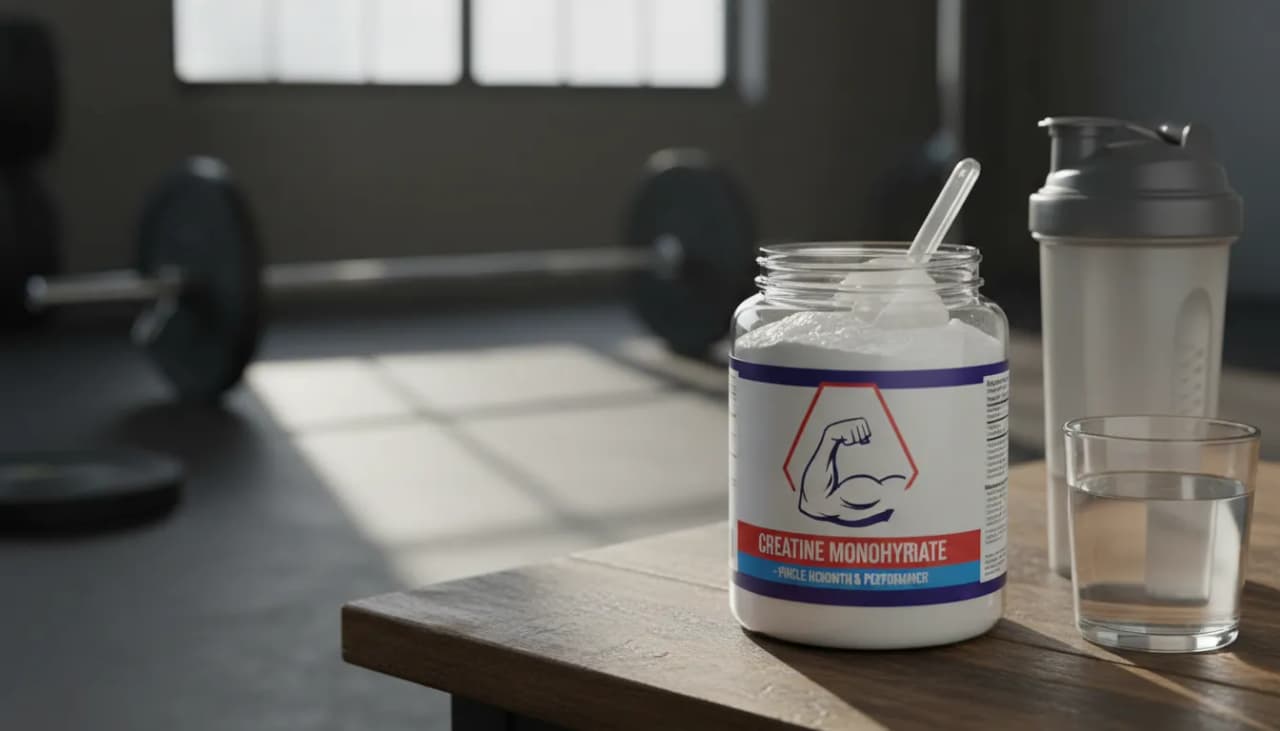
Creatine monohydrate at 3–5 g daily supports ATP regeneration, helping me repeat high-intensity efforts and add training volume over time. This is one of the most consistently supported ingredients in sports nutrition, but it’s not a true “acute” pre-workout effect—saturation matters. If my pre-workout doesn’t include creatine (many don’t, like Legion Pulse), I can still take creatine separately any time of day.
BCAAs and tyrosine: helpful for some, optional for many
BCAAs at 5–10 g have mixed evidence for strength and muscle gain when I already eat enough protein; products like Scivation Xtend are popular, but they’re not a replacement for total daily protein. L-tyrosine at 500–2,000 mg has mixed-to-moderate support for focus under stress (sleep loss, long days), which is why it shows up in formulas like Ghost Legend and Transparent Labs BULK.
How pre-workouts enhance energy, focus, and performance
The “feel it fast” benefit of most pre-workouts is energy and mental drive. When a formula includes caffeine (or a caffeine blend), I usually notice increased alertness, better mood/urgency to train, and a lower perception of effort—meaning hard sets feel a little more manageable. For early-morning workouts or days I’m dragging, this alone can be the difference between an okay session and a sharp one.
What I can expect from a pre-workout (acute effects)
Most pre-workouts combine stimulants + performance ingredients to make hard sessions feel more doable and explosive—especially when I’m under-slept or training at high intensity.
- ✓ Caffeine: higher alertness and lower perceived effort
- ✓ Citrulline malate: better “pump” and blood flow support
- ✓ Beta-alanine: improved high-intensity endurance (tingles are normal)
- ✓ Creatine: strength/power support when used daily (not truly ‘instant’)
- ✓ Reality check: effects vary by dose, tolerance, and training style
Performance: what changes in the gym (and by how much)
The most consistent acute performance bump comes from caffeine. In real-world terms, I might get a small but meaningful improvement in power output and endurance—often enough to add a rep or keep pace in later intervals. Typical research summaries put the magnitude around a low-single-digit percent improvement (roughly ~2–6%) depending on the task, dose, and my caffeine tolerance.
Other common pre-workout ingredients can help, but their “headline” effects vary. Citrulline malate is often used for blood-flow support and the “pump” feeling; it may help with repeated sets by improving comfort and work capacity for some people. Beta-alanine can improve high-intensity endurance over time, but it’s not truly instant—if I only take it on workout days, I’m mostly buying the tingles, not the full performance benefit.
Strength vs endurance: where pre-workouts shine
I tend to notice the biggest payoff in high-intensity training: heavy lifting with short rests, CrossFit-style metcons, sprint intervals, and sports practices where focus matters. For long, steady cardio, the effect can be smaller unless caffeine is the main driver. Creatine (found in products like Transparent Labs BULK or taken separately as creatine monohydrate) is better viewed as a daily performance supplement: it supports strength and power over weeks, not as a one-time “kick.”
Who benefits most (and who may not)
If I train early, have a demanding job, or need to be mentally locked-in (think: Olympic lifts, heavy triples, technical sport drills), a pre-workout can be a practical tool. If I already drink multiple coffees, the benefit may be muted unless I manage tolerance. And if the formula is underdosed (common in some “proprietary blend” products), I may feel stimulated but not get the full training-support ingredients at effective amounts.
Safety, side effects, interactions, and contraindications
Pre-workouts can feel “strong” because many formulas combine caffeine with other stimulants and blood-flow ingredients. My goal is performance, not a racing heart or a wrecked stomach, so I treat the label like a safety checklist.
Screen yourself first
Skip or get clinician advice if I’m pregnant/nursing, under 18, have heart disease/arrhythmias, uncontrolled hypertension, anxiety/panic issues, kidney disease, or a history of stimulant sensitivity.
Count total stimulants (especially caffeine)
Add up caffeine from my pre-workout plus coffee/energy drinks/tea. Keep my daily caffeine around ≤400 mg/day (most adults) and avoid “proprietary blends” that hide stimulant amounts.
Start low and assess tolerance
Try 1/2 scoop (or the minimum serving) on a low-stakes training day; don’t stack with other stim products. Stop if I get chest pain, faintness, or severe palpitations.
Time it and hydrate
Take it ~30–60 minutes pre-lift, not close to bedtime. Drink water and avoid taking it on an empty stomach if it upsets my GI tract.
Check meds and interactions
Be cautious with ADHD stimulants (Adderall, Vyvanse), decongestants (pseudoephedrine), beta-agonist inhalers, and antidepressants (MAOIs). When in doubt, ask a pharmacist/clinician.
Common side effects (and what usually causes them)
Jitteriness, anxiety, tremor, and an increased heart rate are most often stimulant-related (caffeine, synephrine-like additives, yohimbine in some products). Tingling/“pins and needles” (paresthesia) is classic with beta-alanine and is harmless for most people, but it can feel intense at full doses. GI upset (nausea, cramps, urgent bathroom trips) can come from high caffeine, sugar alcohols, or taking a concentrated scoop too fast.
Caffeine limits and stimulant stacking
I keep my total caffeine near ≤400 mg/day for most healthy adults, counting coffee, tea, and energy drinks. A single serving of popular pre-workouts like C4 Original or Legion Pulse can already be a big chunk of that, and “extra strength” versions can push higher. I avoid mixing pre-workout with fat burners or energy drinks, because the combined stimulant load is where side effects spike.
Who should avoid it or talk to a clinician first
I’m extra cautious (or skip entirely) if I’m pregnant/nursing, have cardiovascular disease, arrhythmias, uncontrolled hypertension, glaucoma, or severe anxiety/panic. I also check with a clinician if I take stimulant ADHD meds (Adderall, Vyvanse), decongestants like pseudoephedrine, bronchodilators, thyroid meds, or any MAOI antidepressant, since interactions can amplify heart-rate and blood-pressure effects.
Practical ways I reduce risk
Start with 1/2 scoop and only increase if my sleep, heart rate, and stomach stay calm.
Choose fully disclosed labels (not proprietary blends) and double-check “other sources of caffeine.”
Take it 30–60 minutes before training, avoid late-day dosing, and drink water throughout the session.
Choosing and comparing pre-workouts: products, pricing, and label checks
When I’m choosing a pre-workout, I’m not really buying a “brand”—I’m buying a dose. Two tubs can look similar on the front, but the label tells me whether I’m getting enough of the ingredients that matter, whether the stimulant level fits my day, and whether the price per serving is actually fair.
Quick comparison loop I use when shopping
Match the label to my goal
Pick the outcome first: energy/focus (caffeine + L-theanine/tyrosine), pump (citrulline/glycerol), strength/power (creatine/betaine), or endurance (beta-alanine, nitrates). Avoid paying for ingredients that don’t support my main goal.
Check serving size & scoops
Confirm if “1 serving” is 1 scoop or 2. Compare all dosages on a per-serving basis and note total grams per serving (tiny servings often underdose).
Verify clinical dosage ranges
Use common evidence-based targets: L-citrulline 6–8 g; beta-alanine 3.2 g/day (tingles normal); creatine monohydrate 3–5 g/day; betaine 2.5 g; caffeine ~100–200 mg moderate, 250–400 mg high (stay under my personal limit).
Avoid proprietary blend traps
If the label lists a ‘blend’ with one total gram amount, I can’t confirm individual doses. Prefer fully disclosed labels, especially for citrulline, beta-alanine, caffeine, yohimbine/alpha-yohimbine, and synephrine.
Compare price per serving (and per gram)
Compute: tub price ÷ servings. Then sanity-check value against what I actually get (e.g., 8 g citrulline costs more than 2 g). Watch for ‘30 servings’ tubs that are really 15 if I need 2 scoops.
Final fit check: stim tolerance & timing
Consider caffeine type and amount (anhydrous, extended-release), added stimulants (yohimbine), and my training time. Keep a stim-free option for late sessions or deload weeks.
How I read a pre-workout label (fast, but picky)
I start with serving size and scoops per serving, because that’s where value tricks happen. If the “fully loaded” dose is 2 scoops, I treat the tub as half the servings for my budget math. Then I scan for the big-ticket ingredients: L-citrulline (often the pump backbone), beta-alanine (endurance/tingles), betaine (power), creatine (strength over time), and caffeine (performance and perceived effort).
Next is transparency. “Proprietary blend” isn’t automatically useless, but it blocks the one thing I need to compare products: exact grams. If I can’t see whether I’m getting 6–8 g of L-citrulline or just fairy-dust, I assume it’s underdosed and move on—especially if the blend includes expensive, dose-dependent ingredients like citrulline, glycerol, or beta-alanine.
Real-world product comparisons (what I’d actually cross-shop)
To keep it concrete, these are common, easy-to-find options I’ll see in carts and on shelves: Optimum Nutrition Gold Standard Pre-Workout, Cellucor C4 Original, Kaged Pre-Kaged, Legion Pulse, Transparent Labs BULK, and a stim-free pick like Transparent Labs Stim-Free or Pump Surge. I compare them by caffeine (my tolerance), disclosed doses of citrulline/beta-alanine/betaine/creatine, and price per serving (not tub price).
Higher-stim formulas (often 300–400 mg caffeine) can be great for early training days, but I watch for extra stimulants like yohimbine/alpha-yohimbine that can make the experience edgy.
Moderate-stim formulas (roughly 150–250 mg caffeine) are usually easier to run consistently without sleep fallout.
Stim-free pump formulas are my “late session insurance,” especially when I still want pumps and performance without caffeine.
A quick market snapshot I use mentally
Most mainstream pre-workouts cluster into caffeine tiers: low (0–150 mg), moderate (150–250 mg), and high (250–400 mg). The most common “headline” ingredients I see repeated across labels are caffeine, beta-alanine, and L-citrulline; creatine is oddly inconsistent because some brands expect me to buy it separately. If a formula claims to do everything but has a small total gram serving, I assume the doses are spread thin.
My decision checklist before I buy another tub
Goal: pump, energy/focus, strength, endurance, or a mix (I pick one priority).
Stimulant tolerance: I choose a caffeine tier I can handle and still sleep.
Transparency: I prefer fully disclosed labels over proprietary blends.
Budget: I calculate price per serving based on the scoop count I’ll actually use.
Practical tips: timing, stacking, cycling, and sample routines
I take most pre-workouts 20–45 minutes before training (closer to 45 for powders like C4 Original; closer to 20 if I’ve already eaten). If I’m sensitive, I start with half a scoop and avoid “topping up” with coffee.
C4 Original (caffeinated) day
Use when I want a noticeable energy and focus bump and can tolerate stimulants.
- • Take 20–45 minutes pre-session; start with 1/2 scoop to assess tolerance
- • Stack: creatine monohydrate (e.g., Optimum Nutrition) daily; caffeine is the acute driver
- • Avoid: extra coffee + yohimbine, or mixing with other high-stim formulas like Total War
Legion Pulse Stim-Free day
Use for late training, deload weeks, or when I’m managing caffeine tolerance.
- • Take 20–30 minutes pre-session; pair with water + carbs (banana or Skratch Labs drink)
- • Stack: beta-alanine is fine; creatine stays daily; add electrolytes for sweat-heavy sessions
- • Cycle: 1–2 weeks stim-free every 6–8 weeks, or keep caffeine only on hard days
Sample routines
Strength: caffeinated pre + creatine daily.
HIIT: pre + Skratch Labs Hydration.
Endurance: lighter dose + carbs.
Low-energy days: stim-free, or skip and sleep earlier.
Frequently Asked Questions
If I’m using pre-workout for the first time, I keep it simple: dose it early enough to feel it, but not so late that it ruins sleep.
FAQ: Pre-workout timing, safety, and results
How long before a workout should I take pre-workout? ▼
Are pre-workouts safe to take every day? ▼
What are common side effects, and how can I minimize them? ▼
Can pre-workout help me build muscle or only boost workouts? ▼
If I’m unsure about my tolerance, I treat my first serving like a test day and keep the rest of my caffeine low.
Conclusion
Pre-workout is a supplement taken before training to enhance energy, focus, and physical performance. It usually contains ingredients such as caffeine, beta-alanine, and amino acids, which help reduce fatigue, increase endurance, and support intensity during exercise. It is especially useful for those who engage in intense workouts or need an extra boost to get through their session.
🎯 Key takeaways
- → Pre-workout can boost energy, focus, and training intensity—especially for hard sessions—when the formula and dose fit my tolerance.
- → Safety first: start low, watch total daily caffeine (coffee + pre-workout), avoid stacking stimulants, and stop if I get jitters, palpitations, or poor sleep.
- → Choose sensibly: look for transparent labels with evidence-backed staples like caffeine and beta-alanine; then trial a conservative dose, log effects, and ask a clinician if I’m unsure or have conditions/meds.
For my next step, I’ll pick a reputable option with a transparent label—like Optimum Nutrition Gold Standard Pre-Workout or Legion Pulse—and start with 1/2 scoop to gauge tolerance. I’ll track timing, sleep, heart rate, and GI effects for a week before changing anything. If I’m pregnant, have high blood pressure, anxiety, arrhythmias, or take meds like stimulants or SSRIs, I’ll consult a clinician before using it.